

You are using an out of date browser. It may not display this or other websites correctly.
You should upgrade or use an alternative browser.
You should upgrade or use an alternative browser.
Progress Thread Low Mile 89 GT Restomod - Done with the red, onto the trim
- Thread starter KRUISR
- Start date

Pictures! Dude, pictures!!!
You know, a thousand words and all but I get tired of words, PICS,MAN, PICS!!

I thought I was doing too many pics so far. What are you looking for, a step-by-step how-to in pictures?
Either that or you're going to have to read him the rest of the thread.

I will do what I can to get more pics for each task. The main weld repairs are almost done (a couple small patches I want to do the the rad support) and then onto body work (not much with the low miles) and then to paint.
I will pull the k-member when we paint the engine bay. Will update the front suspension and convert to 5-lug when we re-assemble the front.
I will pull the k-member when we paint the engine bay. Will update the front suspension and convert to 5-lug when we re-assemble the front.


I agree - MORE PICs. We do enough reading in IT
Every time it walks in I say "its here" .

So, continuing on...
Trying to get a couple more repairs done and maybe some paint before it gets too cool to paint here.
Lower rad support crusties.

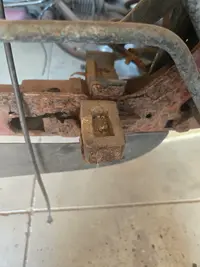
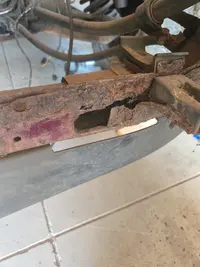
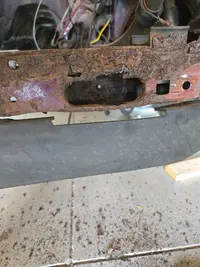
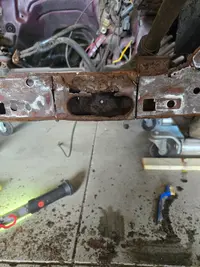
Cut out the section.
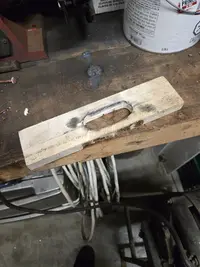
Using a piece of wood I made a buck to form a new opening
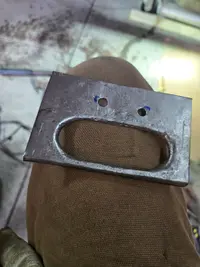
OMG - I made a likeness of General shouting
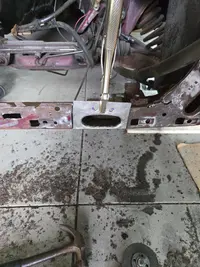
Test fit in place.
Trying to get a couple more repairs done and maybe some paint before it gets too cool to paint here.
Lower rad support crusties.
Cut out the section.
Using a piece of wood I made a buck to form a new opening
OMG - I made a likeness of General shouting
Test fit in place.
The upper rad support was showing signs of past damage and a couple of the welded in nuts had fallen out.
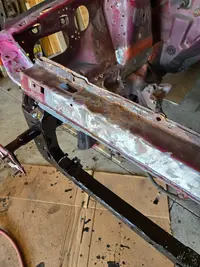
I sourced a replacement middle section from an 89 Lincoln Mark VII at the local wreckers (originally planned to use only the welding in nuts but decided to replace the whole section).
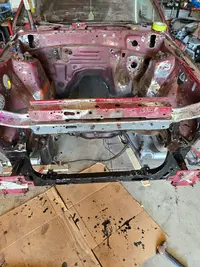
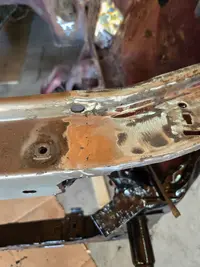
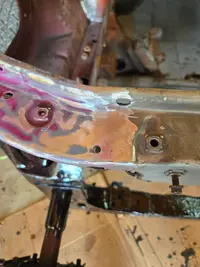
No more waves or dents like the original had. To help protect the lower rad support section I coated with POR15.
I sourced a replacement middle section from an 89 Lincoln Mark VII at the local wreckers (originally planned to use only the welding in nuts but decided to replace the whole section).
No more waves or dents like the original had. To help protect the lower rad support section I coated with POR15.
With the weather looking good for the next few days I decided to get the engine bay cleaned up and painted.
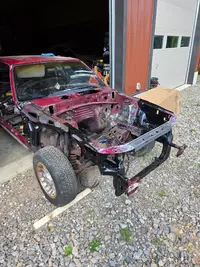
Pulled all the wiring back and scuffed the engine bay and cowl panel for paint (door jambs too).
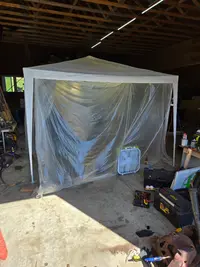
Built my make-shift paint booth (a 10x20 party tent I got off Amazon 3 years ago with some poly plastic for the curtain walls). I added a filtered inlet and outlet fan to keep air moving.
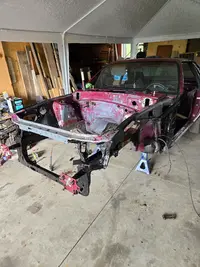
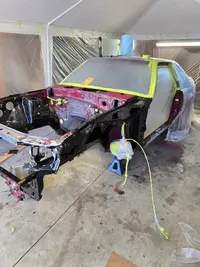
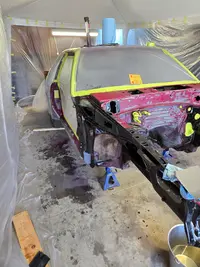
I pulled the front k-member and suspension so I could clean up and paint the underside of the frame rail.
I started spraying some primer sealer around noon and finished the last coat just before 11pm (1 primer sealer coat, 2 basecoats, 2 tinted clear midcoats and 2 full clear coats).
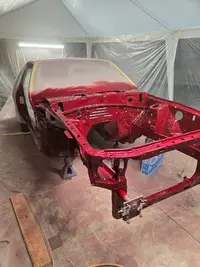
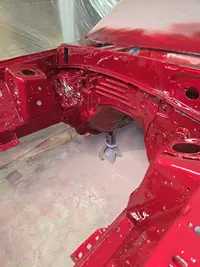
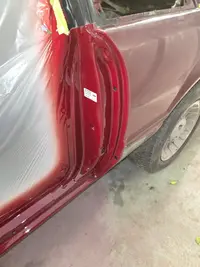
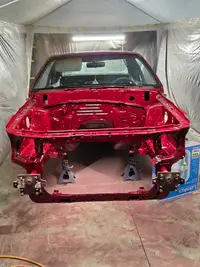
I figured this way if it remains too cold to paint the body when the body work is done, at least we can pull the wiring harnesses back into engine bay, install and get the engine and trans running.
Reinstalled the front suspension (not modified or cleaned up yet) and rolled the car out into the sun to see how it looks in better light.
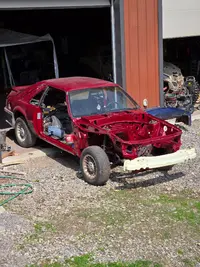
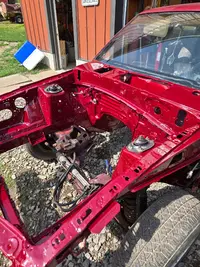
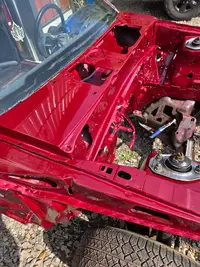
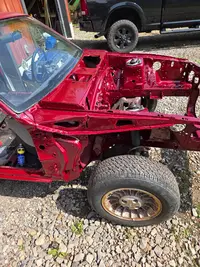
Pulled all the wiring back and scuffed the engine bay and cowl panel for paint (door jambs too).
Built my make-shift paint booth (a 10x20 party tent I got off Amazon 3 years ago with some poly plastic for the curtain walls). I added a filtered inlet and outlet fan to keep air moving.
I pulled the front k-member and suspension so I could clean up and paint the underside of the frame rail.
I started spraying some primer sealer around noon and finished the last coat just before 11pm (1 primer sealer coat, 2 basecoats, 2 tinted clear midcoats and 2 full clear coats).
I figured this way if it remains too cold to paint the body when the body work is done, at least we can pull the wiring harnesses back into engine bay, install and get the engine and trans running.
Reinstalled the front suspension (not modified or cleaned up yet) and rolled the car out into the sun to see how it looks in better light.
Last edited:

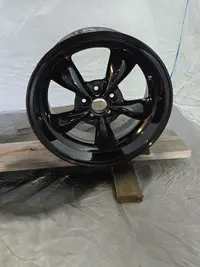
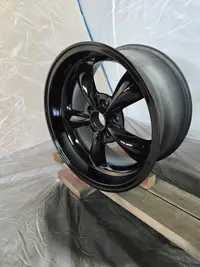
Getting back on this project.
Removed the headliner and the disintegrated insulation above it.
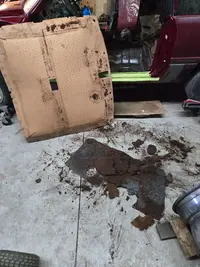
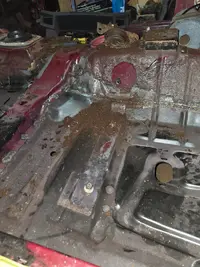
The insulating material had broken down and literally fell down as I was moving the headliner board out. It almost seemed like some kind cork based insulation that broke down into almost a powder when brushed or rubbed. Messy as hell.
Some stayed up though.
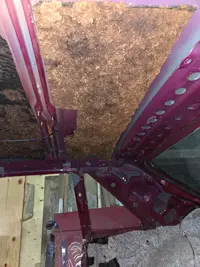
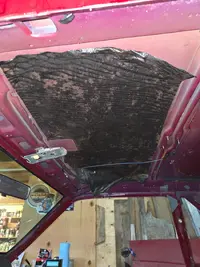
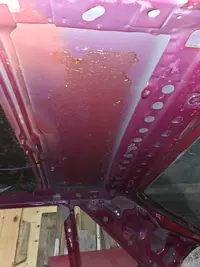
After it was vacuumed down there was a plastic lining adhered to the roof skin. With the plastic removed you can see the adhesive residue that will need to be cleaned up later.
Removed the headliner and the disintegrated insulation above it.
The insulating material had broken down and literally fell down as I was moving the headliner board out. It almost seemed like some kind cork based insulation that broke down into almost a powder when brushed or rubbed. Messy as hell.
Some stayed up though.
After it was vacuumed down there was a plastic lining adhered to the roof skin. With the plastic removed you can see the adhesive residue that will need to be cleaned up later.
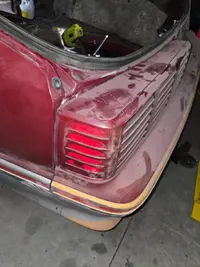
Next removed the tail lights, rear bumper and hatch spoiler. Nice undamaged OEM GT tail lights, no cracks or chips to the housing or lenses.
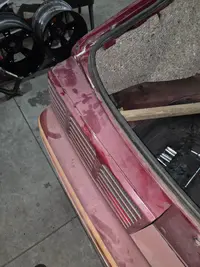
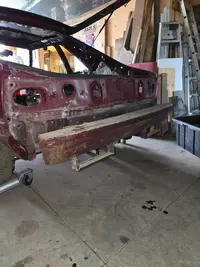
Rear bumper support bracket should clean up nice.
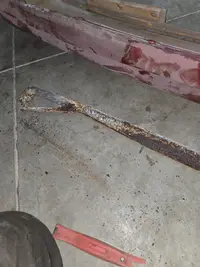
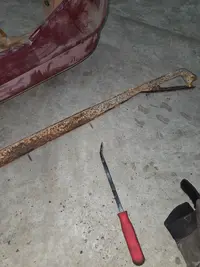
When removing the spoiler I came across something I hadn't seen on a fox body hatch before, foam covers over the front most spoiler bolt holes.
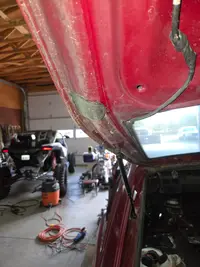

It was just self adhesive foam tape, cut large enough to cover the hole.
Rear bumper support bracket should clean up nice.
When removing the spoiler I came across something I hadn't seen on a fox body hatch before, foam covers over the front most spoiler bolt holes.
It was just self adhesive foam tape, cut large enough to cover the hole.
Then finished grinding the welds for the floor pans and seam sealed all the joints, top and bottom.
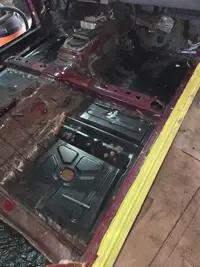

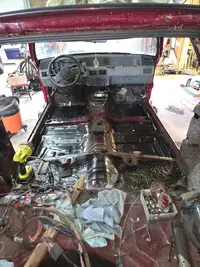
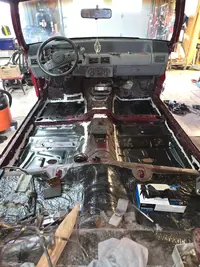
Once I get the rear drain plugs seam sealed in place the plan is to spray a couple coats of reduced rubberized rocker guard to pretty everything up before installing some insulation padding and then the carpet. I got some new drain plugs but couldn't find them while seam sealing the rest.
Once I get the rear drain plugs seam sealed in place the plan is to spray a couple coats of reduced rubberized rocker guard to pretty everything up before installing some insulation padding and then the carpet. I got some new drain plugs but couldn't find them while seam sealing the rest.
SUBFRAME CONNECTORS
I started with two 48" pieces of 1x2x0.100 mild steel tubing and a scrap piece of 1.5x1.5" angle. I used a simple pipe bender and the dimensions from the Mathis Performance Handbook 2.
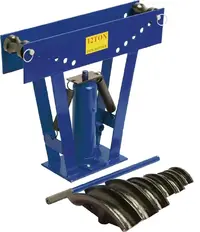
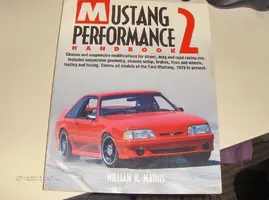

From the drawing you will see the total length is 46" and I have a 48" piece, so I added 1" to both ends. That makes the layout as 13" from the end for the first bend and then another 19.5" or 32.5" total from the same end as my bend point locations. These dimensions don't need to be perfect, but relatively close.
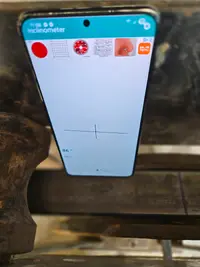
So I center the first mark between the rollers on the bender (they were 12" apart in my case) and checked what angle the tube was at when ready to bend. I used a simple inclinometer app on my phone.
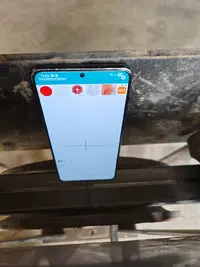
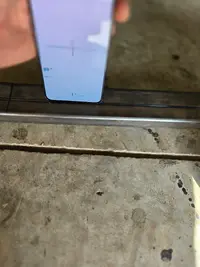
The floor or bender was not perfectly level but this is used as a reference for once you start bending. I moved the phone to the right end and started bending. Looking at the drawing again you will see it specs a 4 degree total angle, so I would need 2 degrees on each side. I actually bent the tube to 3 degrees on each side as you get some bounce back as the pressure of the bender is released.
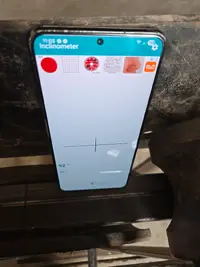
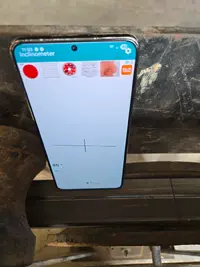
3 degrees right side and 3 degrees left side.
I then removed the tube from the bender, visually checked the angle and then tested with the inclinometer when holding the front leg on the floor.
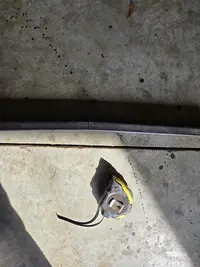
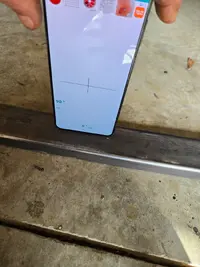
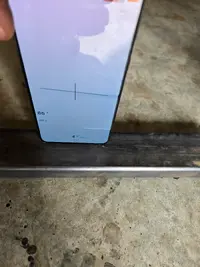
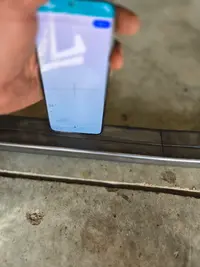
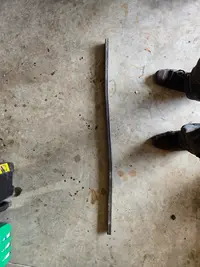
All good so I flipped the tube over and bent the second 4 degree bend the opposite way. Again I centered the mark between the rollers, check level and then moved to the right and began bending to 3 degrees.
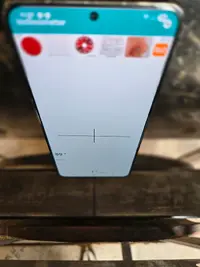
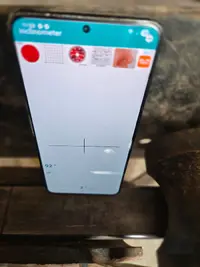
Again I removed the tube and checked the angle when holding tube on floor.
I started with two 48" pieces of 1x2x0.100 mild steel tubing and a scrap piece of 1.5x1.5" angle. I used a simple pipe bender and the dimensions from the Mathis Performance Handbook 2.
From the drawing you will see the total length is 46" and I have a 48" piece, so I added 1" to both ends. That makes the layout as 13" from the end for the first bend and then another 19.5" or 32.5" total from the same end as my bend point locations. These dimensions don't need to be perfect, but relatively close.
So I center the first mark between the rollers on the bender (they were 12" apart in my case) and checked what angle the tube was at when ready to bend. I used a simple inclinometer app on my phone.
The floor or bender was not perfectly level but this is used as a reference for once you start bending. I moved the phone to the right end and started bending. Looking at the drawing again you will see it specs a 4 degree total angle, so I would need 2 degrees on each side. I actually bent the tube to 3 degrees on each side as you get some bounce back as the pressure of the bender is released.
3 degrees right side and 3 degrees left side.
I then removed the tube from the bender, visually checked the angle and then tested with the inclinometer when holding the front leg on the floor.
All good so I flipped the tube over and bent the second 4 degree bend the opposite way. Again I centered the mark between the rollers, check level and then moved to the right and began bending to 3 degrees.
Again I removed the tube and checked the angle when holding tube on floor.
Last edited:
On to the test fit...
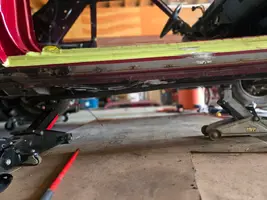
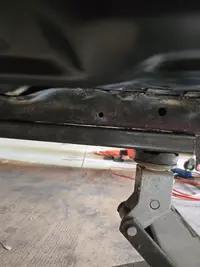
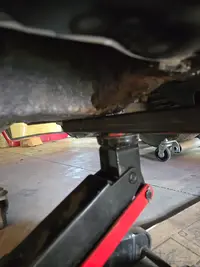
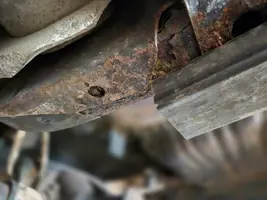
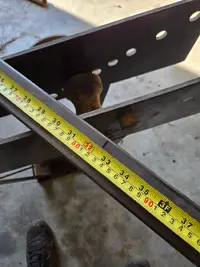
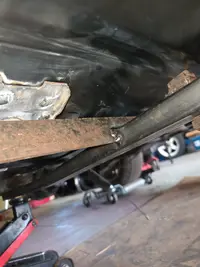
First look, not bad. It fits tight on the front side sub frame and pretty good on the rear side - but not fully. You can see the interference with some of the factory reinforcing plates - the front edge of the tube is butted up against the rear transmission mount flange. Some material will need to be removed - remember I used 48" length piece where the drawing calls for 46". Here is where it came to bite back.
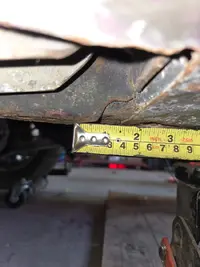

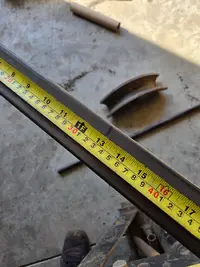
With the tape measure hooked on the end of the tube you can see I would need to remove about 1". I chose to remove about 1.25" to give myself some movement room.
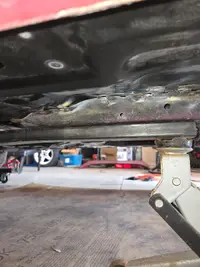
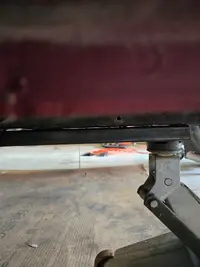
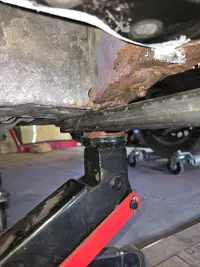
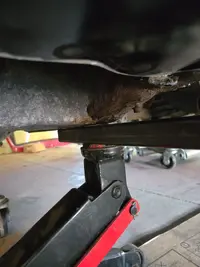
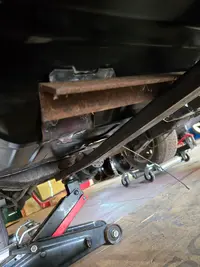
After removing the material and test fitting again you can see the front still sits very flush and the rear as well. I can now center the tube on the sub frames to get even welds on both inside and outside faces. The lack of light coming through indicates how flush the tube is fitting to give an almost butt weld when we get to welding in.
On to the seat support bracket...

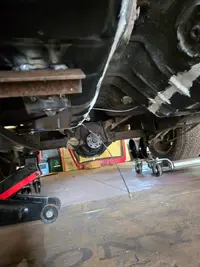
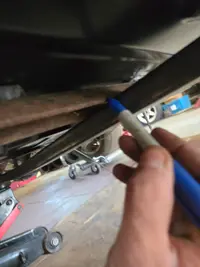
I cut the angle material to 15" which allowed it to touch both seat brackets completely - with a little extra material. I then marked both sides of the connector tube to create the necessary cut to have it fit right.

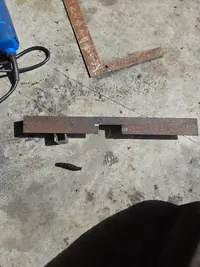
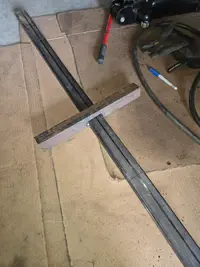
I marked what section to cut out, removed it and then test fit again. Once happy with the fit I tack welded the bracket at the correct angle - the top flat edge of the angle will fit flat against seat bolt plate. Now the SF connector can be removed off the jacks and fully welded.
Then I test fit again, lining everything up to make sure no further adjustments are needed. Then holding it firmly against the sub frames and floor I used a transfer punch through the seat bolt holes to mark where the holes in the seat bracket will be drilled to clear the seat bolts. This design does not have the seat bolts thread into the bracket which allows for more forgiveness in fitting and welding. Instead the seat bracket essentially is touching or slightly pushing up on the floor pan to give support to the floor pan.
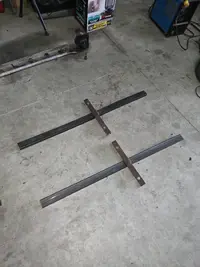
Now repeat these steps for the other side and you end up with two "fit to your car" subframe connectors. Mine will be cleaned up and prepped for some rust inhibiting paint before welding. Final install will be after I have the floor pan coated and brake and fuel lines installed.
First look, not bad. It fits tight on the front side sub frame and pretty good on the rear side - but not fully. You can see the interference with some of the factory reinforcing plates - the front edge of the tube is butted up against the rear transmission mount flange. Some material will need to be removed - remember I used 48" length piece where the drawing calls for 46". Here is where it came to bite back.
With the tape measure hooked on the end of the tube you can see I would need to remove about 1". I chose to remove about 1.25" to give myself some movement room.
After removing the material and test fitting again you can see the front still sits very flush and the rear as well. I can now center the tube on the sub frames to get even welds on both inside and outside faces. The lack of light coming through indicates how flush the tube is fitting to give an almost butt weld when we get to welding in.
On to the seat support bracket...
I cut the angle material to 15" which allowed it to touch both seat brackets completely - with a little extra material. I then marked both sides of the connector tube to create the necessary cut to have it fit right.
I marked what section to cut out, removed it and then test fit again. Once happy with the fit I tack welded the bracket at the correct angle - the top flat edge of the angle will fit flat against seat bolt plate. Now the SF connector can be removed off the jacks and fully welded.
Then I test fit again, lining everything up to make sure no further adjustments are needed. Then holding it firmly against the sub frames and floor I used a transfer punch through the seat bolt holes to mark where the holes in the seat bracket will be drilled to clear the seat bolts. This design does not have the seat bolts thread into the bracket which allows for more forgiveness in fitting and welding. Instead the seat bracket essentially is touching or slightly pushing up on the floor pan to give support to the floor pan.
Now repeat these steps for the other side and you end up with two "fit to your car" subframe connectors. Mine will be cleaned up and prepped for some rust inhibiting paint before welding. Final install will be after I have the floor pan coated and brake and fuel lines installed.
Last edited:

Similar threads

- Replies
- 7
- Views
- 550
- Replies
- 8
- Views
- 316
Progress Thread
Family member 1989 GT- Backstory and updates
- Replies
- 15
- Views
- 1K
- Replies
- 0
- Views
- 1K

- Replies
- 0
- Views
- 402