Injectors not Firing

slow5.0gt

New Member
Aug 12, 2006
138
0
0
Ok after all this time I find out that there is no fuel getting into the cylinder I crank the engine with 1 or 2 spark plugs out and I dont smell/see/feel/ any fuel come out at all.

Injectors are getting power and a constant 12.3 or so volts but no firing of the injectors is this the ecc crapping out? Giving it a ground to show volts but nothing else.

Fuel pressure is shown in the rails but no injector firing does anyone have a list of what could cause that to happen?
 
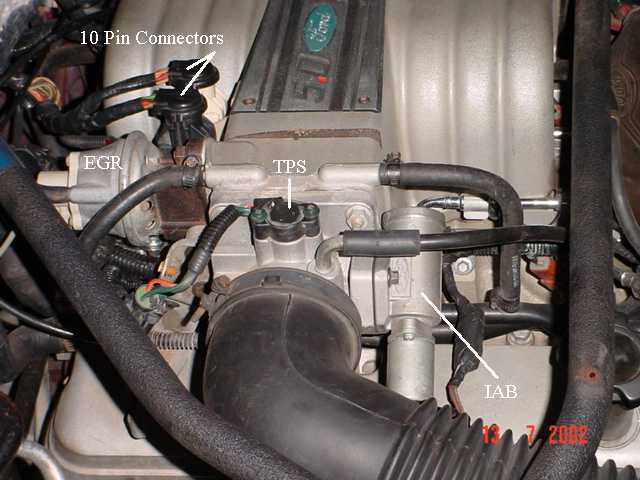
Did you happen to play around with the 10 pin connectors (salt and pepper connectors)? The ground pulse from the computer to each injector goes through those connectors.

Good luck.
 
Tools needed: Noid light, Mulitmeter (volts & ohms), 10 MM socket &
extension, & ratchet.

Note: Do all of the steps and do them in order. The results of the
subsequent tests are based on the prior tests being sucessfully passed.


Some basics about the computer:
Remember that the computer does not supply power for any actuator or
relay, but provides the ground necessary to complete the circuit. That
means one side of the circuit will always be hot, and the other side will go
to ground or below 1 volt as the computer switches on that circuit.


1.) Get a noid light form AutoZone or other auto parts store, or even better
a set of them
big22132.jpg

This set is from http://www.toolking.com/ProductInfo.aspx?productid=12492 and costs $12.

2.) Use the noid light to determine that the injector pulses and isn’t
stuck in the on position. It you have a set of them install all of them and
compare the pulse intensity. A light that doesn’t pulse and stays on has a
short to ground in the computer side of the circuit. That can be either a
wiring fault or a failed computer. If this is the case, remove the passenger
side lick panel and disconnect the computer connector. There is one 10
MM bolt holding it in place. Pull the connector all the way out of the
computer so that you can see the computer side pins.
eec04.gif


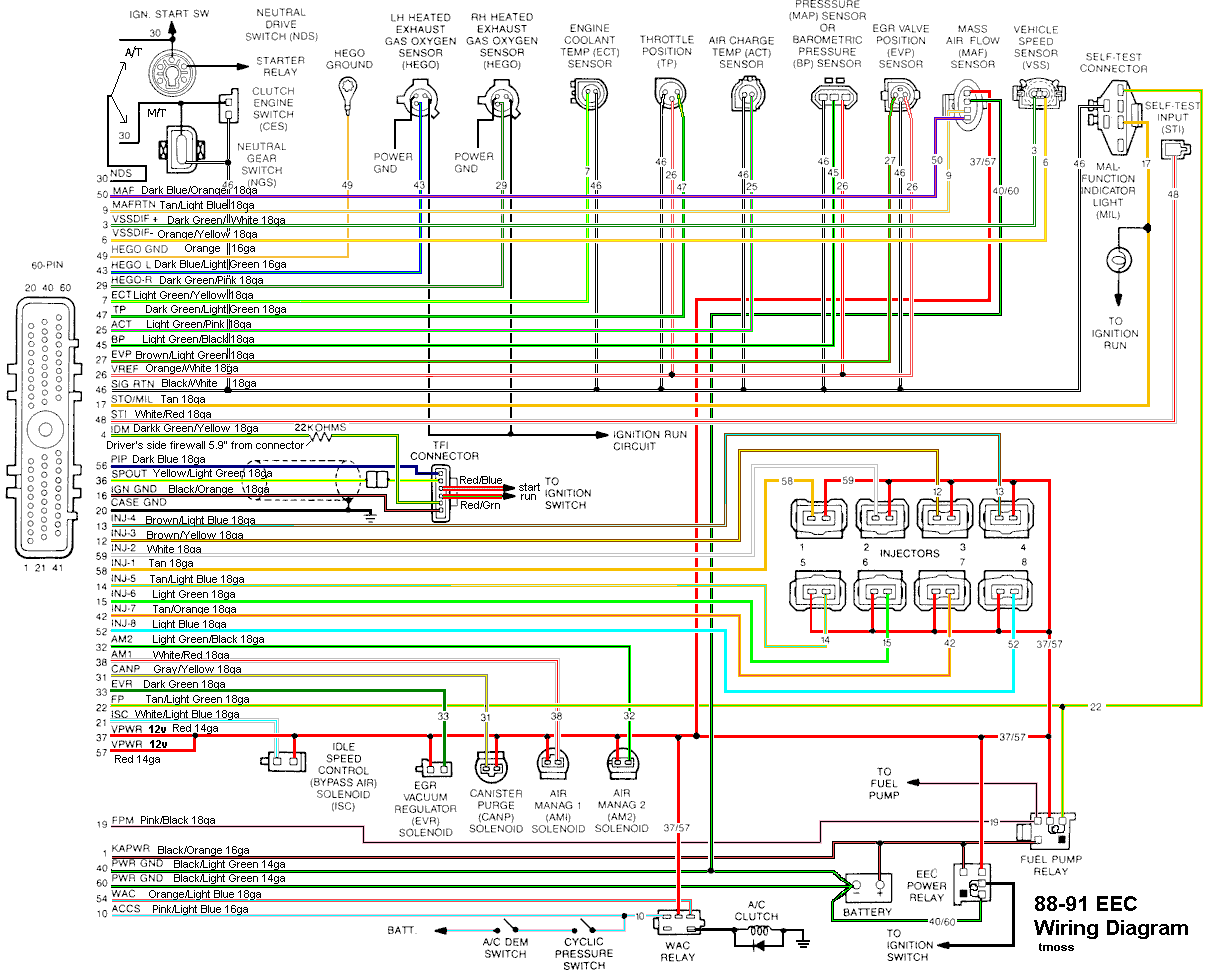
Use the list from the graphic below to find the fuel injector pins for the
injectors that didn’t turn the noid light off.

88-91_5.0_EEC_Wiring_Diagram.gif


3.) Set the multimeter to low scale Ohms and measure between the
computer ground located below the computer and the suspect fuel injector
pins. You should see greater than 100 K Ohms resistance. If you see less
than 100 Ohms, the wiring between the injector and the computer has a
short to ground and needs service. Check the harness and look for damage,
kinks or frayed spots.

4.) A light that never turns on is either a wiring fault, or a failed
computer. Either the injector has no DC power or the computer has failed
and cannot switch the injector circuit to ground. Determine if the injector
has power by using the multimeter to check for 12 volts on the red wire on
the suspect injector connector. No 12 volts and you have a wiring fault.
Check the harness and look for damage, kinks or frayed spots. Check the 10
pin salt & pepper shaker connectors for bent pins, corrosion and damage.

Next Check the fuel injector wiring end to end. Each fuel injector has a red
wire (power) and an non-read wire (computer controlled ground). Set the
multimeter to low ohms and measure each non red fuel injector wire from
the fuel injector connector to the matching pin on the computer connector.
You should see less than 2 Ohms. More than that means a bad connection
or bad wiring.

See the graphic for the location of the 10 pin connectors:
TPS_IAB_Pic.jpg


See the graphic for the 10 pin connector circuit layout.
harness02.gif


Once you have determined that the suspect injectors have good power and
good wiring, the computer is the likely suspect, since a ground is required
to complete a circuit and make it function. The computer provides the
ground: if doesn’t, then the noid light will not flash.

5.) If you have gotten this far, then the problem is likely ignition
related. Remember the noid test using all of the noid lights? All of them
were supposed to be equally bright. Since you have already tested all the
electrical side of the fuel injector circuit, the one remaining common item is
the pip sensor inside the distributor. A failing pip sensor, damaged shutter
wheel or bent distributor shaft could all cause the pulse delivered to the
injectors to be faulty.


6.) Spark plugs indicate one or more cylinders not firing: use the
multimeter to measure the resistance of the spark plug wires. The wires
should measure 2000 ohms perfoot of length. A 2 foot wire would be 4000
ohms and a 3 foot wire would be 6000 ohms. Some Taylor and Accel wires
have metal cores and will measure much less: that’s OK.
Next examine the spark plug wires very carefully for burn spots, cracks and
damaged insulation. One good thing to try is to start the engine while the
car is a very dark area, open the hood and look for sparks or blue glow.
They indicate the electricity is leaking out of the spark plug wires.

Thanks to Tmoss & Stang&2birds at www.veryuseful.com/mustang/tech/engine/ for some of the graphics

Thanks also to www.fordfuelinjection.com for some of the graphics.
 
3.) Set the multimeter to low scale Ohms and measure between the
computer ground located below the computer and the suspect fuel injector
pins. You should see greater than 100 K Ohms resistance. If you see less
than 100 Ohms, the wiring between the injector and the computer has a
short to ground and needs service. Check the harness and look for damage,
kinks or frayed spots.

no places had the noid light available had to order and it would take 2-3 days to get here so I skipped right to this, I however dont know which ground to use is there a ground in the 60 pin connectors that I need to touch with the multimeter? or an outside ground?
 
Update I found a noid light test at o reillys I tested the first injector that was the easiest to get to and nothing!
However it gets power 12.3 and up and with a normal test light it lights up but the noid light didnt either I didnt insert it correctly or something but if I flipped it over and tried in that way it wouldnt let me.
If flipped the other way it would snap in im hoping I did it right.

Now waiting replys on results I kept trying to find a reading at all with my multimeter on the computer circuit, every once in a while a resistence of 109-180 would flash through very quickly I never got the same reading twice lots of movement for me to get a small reading that flashed quickly by.

I tried testing the salt and pepper connectors but didnt know how to correctly. Or if I was doing it correctly there wasnt anything going on in there.
 
Measuring the computer resistance is non-productive. The circuit switches from off to ground in thousands of a second. The pulse is so brief that any attempt to capture it with an ohmmeter is useless.

For Step 3 to work you must first disconnect the computer connector from the computer. You are looking for shorts to ground in the injector wiring.

I recommend that you go back and read the tech note from start to finish again.

You may want to enlist the help of someone who works with electrical things to help you troubleshoot this problem.
 
I wish I could get someone who knows electrical knowhow more then I do. I did disconnect the computer connector what I didnt know was where to put the ground specifially, sorry it takes a while to get things to click.
Did you mean a ground underneath the computer? That would mean I would have to remove the computer from the lick panel where it is strapped to correct? all I did was disconnect the connector to the computer and test there attempting to use a ground on the connector.

Would it be safe to conclude after reading all the steps that the computer is at fault since the noid light does not flash, however I am getting power to the injector connector and the correct amount of volts?

Bear with me please :)
 
Using the computer ground for step 3 is OK.

Next you need to go to Step 4 and measure the wiring resistance from each injector connector to the matching pin on the computer connector. The injector connector gets one meter lead and the matching pin on the computer connector gets the other meter lead. You are measuring to check the resistance of the wire that connects the computer to each injector. There should be very low resistance in the wire, 1.5 ohms or less. A high resistance means bad connections or broken wiring. See the diagram I posted to get the pin numbers and wire colors.
 
slow5.0gt said:
dang my meter wires arent long enough to check connector resistance.
There is nothing special about the meter leads. Some 18 gauge wire and a couple of allgator clips can be used to extend them. Radio Shack will have the alligator clips and maybe the wire. I would try Home Depot or Lowes, they may be cheaper.
 
Anyone have a more secure answer if the computer is at fault or the wiring harness? The steps say that if I dont get 12 volts at the connectors that it would be the wiring harness but since it gets 12 volts it is the computer?
 
This is an elimination process: eliminate the things you can test using simple tools and methods. If they pass the test, then suspect the complex things that you cannot test easily, like the computer. The computers seldom fail, it is usually a sensor or wiring problem.

The thing to remember is that the computer provides the ground to complete the circuit. If the wiring is faulty, has high resistance or broken wiring, you get no ground and no injector pulse.

Check the injector signal wires one at a time. The time and $5 worth of wire & alligator clips are cheaper than a $100 computer.

One thing comes to mind from the tech note: are you getting good spark? No spark and no injector pulse usually means a failed pip sensor in the distributor. If the spark is good, that means pip is good and the computer is getting signal to fire the injectors.
 
Yep I get good spark brand new dizzy just no pulses from the injectors however there is power.

My computer does have water damage on the outside I can see and feel white corrison along the casing thats why I said it possibly could just be a computer failing because of it getting wet.

The injectors are getting DC because the test light confirms it when I touch power on the connector and a ground. Multimeter further proves that it has power. 12.3 and up volts.
 
I think it was covered but I just wanted to re-ask.

Your TPS signal-return reading is around one volt with the key-on, and while cranking, right?

I'd be at the point in JR's diagnostics where I go to the computer and check for a ground pulse being sent from a given injector driver(s). If you got it there but don't at the injectors, you know it's a wiring/connector issue in the middle.

If you don't have a ground pulse at the computer itself...............

Good luck.