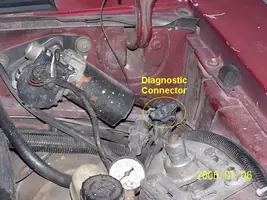
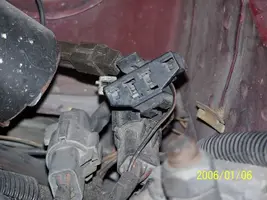
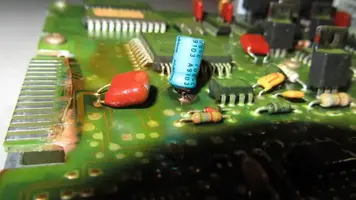
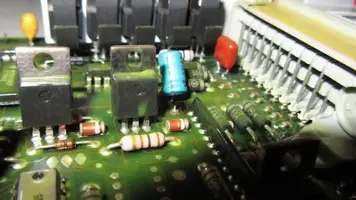
I couldn't find my old thread to update, so I made a new one.
A few weeks ago I was on my way to work and my 91 died while sitting at a light waiting to turn. I assumed at first that my TFI or PIP had died. The car was cranking real slow like the timing was retarded or advanced too far. Then all of a sudden it cranked normally and fired right up. I got to work, and found that I hadn't fully tightened the cables on the starter solenoid (both the main line and the starter cable). I cranked them down and it seemed fixed. Drove it a couple hundred miles over the next week or so and it acted fine. I thought it was fixed until it just did it to me again today.
These are the voltages of the battery/charging system:
12.67 at rest (hood light on only)
10.5ish while cranking (fired up quick so I didn't get a good look)
14.4-14.5 while idling
14.3-14.4 at idle with headlights and the A/C vent running
The only thing that the car does that I think is odd is the voltage will dip down randomly to 13.5V when at idle. It doesn't do it consistently, regardless of what accessories are on. It has done this ever since I installed the 3G alt over a year ago (can't remember if it did it before or not), I first noticed it because I could hear the fuel pump's whine change pitch. Since I replaced the pump with a 255 unit it does it a lot less.
I figured if the injectors lose their ground the car will die (I assume), but if the injectors aren't grounded, would that cause a slow crank condition? I found the ground wire to the injector harness is chewed up pretty badly (we have lots of field mice out here). It is still connected by a few strands of wire, but not many. But, got home, I fired the car up and wiggled the shakers, wiggled pretty much every piece of harness I could get my hands on and it keeps on running. I unbolted and isolated the ground strap that feeds the injector harness (the one that is holding on by a strand) and it kept running. I unhooked the negative cable to the battery while it was running and it didn't die.
I don't know if it matters or not, but the vss isn't hooked up due to one of the wires being damaged. That only affects the cruise control afaik. It always dies when I tap the clutch to slip it into neutral when rolling up on a light.
I could really use some more ideas, every time it dies, I can get it restarted very soon after. Someone on EECtuning suggested the EEC relay is at fault, could this be so (is it the relay that is on the passenger side fender, under the CAI)? Most times when I've seen a relay fail, it has stuck closed, or ceases to function. I don't want to drive the car now until I can reproduce the failure so I know it is fixed for good this time. I'm sick on not being able to rely on the car.
A few weeks ago I was on my way to work and my 91 died while sitting at a light waiting to turn. I assumed at first that my TFI or PIP had died. The car was cranking real slow like the timing was retarded or advanced too far. Then all of a sudden it cranked normally and fired right up. I got to work, and found that I hadn't fully tightened the cables on the starter solenoid (both the main line and the starter cable). I cranked them down and it seemed fixed. Drove it a couple hundred miles over the next week or so and it acted fine. I thought it was fixed until it just did it to me again today.
These are the voltages of the battery/charging system:
12.67 at rest (hood light on only)
10.5ish while cranking (fired up quick so I didn't get a good look)
14.4-14.5 while idling
14.3-14.4 at idle with headlights and the A/C vent running
The only thing that the car does that I think is odd is the voltage will dip down randomly to 13.5V when at idle. It doesn't do it consistently, regardless of what accessories are on. It has done this ever since I installed the 3G alt over a year ago (can't remember if it did it before or not), I first noticed it because I could hear the fuel pump's whine change pitch. Since I replaced the pump with a 255 unit it does it a lot less.
I figured if the injectors lose their ground the car will die (I assume), but if the injectors aren't grounded, would that cause a slow crank condition? I found the ground wire to the injector harness is chewed up pretty badly (we have lots of field mice out here). It is still connected by a few strands of wire, but not many. But, got home, I fired the car up and wiggled the shakers, wiggled pretty much every piece of harness I could get my hands on and it keeps on running. I unbolted and isolated the ground strap that feeds the injector harness (the one that is holding on by a strand) and it kept running. I unhooked the negative cable to the battery while it was running and it didn't die.
I don't know if it matters or not, but the vss isn't hooked up due to one of the wires being damaged. That only affects the cruise control afaik. It always dies when I tap the clutch to slip it into neutral when rolling up on a light.
I could really use some more ideas, every time it dies, I can get it restarted very soon after. Someone on EECtuning suggested the EEC relay is at fault, could this be so (is it the relay that is on the passenger side fender, under the CAI)? Most times when I've seen a relay fail, it has stuck closed, or ceases to function. I don't want to drive the car now until I can reproduce the failure so I know it is fixed for good this time. I'm sick on not being able to rely on the car.