I've been following this thread with much interest and most have very reliable statements about cutting springs. I have purchased many aftermarket springs, cut my own springs and even added spacers to change rates for the optimum handling for different situations.
I have had access to a spring rate measuring tool to check rates on different springs before installing them in road race cars. Even the purchased aftermarket springs did not match rates perfectly from side to side. Some racers have boxes of springs they take to the track, some are as manufactured and some are cut to a rate they felt was needed for a certain track to correct an under/oversteer problem.
Basically, if a spring is cut without generating a lot of heat the spring rate will increase and no harm will be done to the spring itself. Cut too much out and coil bind may be a problem, cutting a spring will not make a car bounce by itself, not having a proper shock to control the spring bounce will.
Shock rate and its travel have a great effect of how well a car works with a certain spring, cut or as manufactured. If you cut a coil out of your front spring, it usually drops the car about the same amount of vertical height removed from it. It also increases the spring rate by a certain percentage, based on # on coils cut per # of coils to start with. I have had fox body springs with a measured rate of around 425lb, cut 1 coil out of it and that rate goes up to near 500lb. The coil height for that spring was reduced by 1 3/4" and installed in the car it was close to 1 5/8" less of ride height. Installing this stiffer rate spring also increased the cars understeer (push).
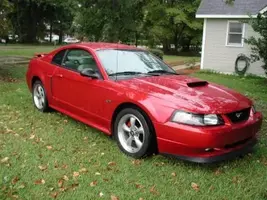
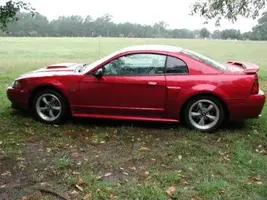
I have cut a pair of front coils on the new generation Mustangs by 1 1/4 coils (2 1/16" of vertical height) lowering the car 1 7/8". In both of these cases the cars had aftermarket shocks with higher compression and rebound rates. Both shocks were at the extreme end of their compression travel after cutting the springs and the rubber bumpers on the strut rod had to be shortened as well as their upper mounting position moved up in the shock towers. Both cars had CC plates and the spacers were able to be adjusted to move that mounting position up and to prevent the shock from bottoming out at the end of their compression stroke.
The people who have problems with cut springs are the ones who use a method to cut them that generates too much heat and that will ruin the amount of rate designed into the spring wire. They may cut too many coils out of them and cause coil bind or they may not take precautions to prevent the shocks from bottoming out in the compression stroke or having enough compression and rebound rates in the shocks to compensate for the increase in spring rate.
Another problem that would seem obvious but some will do it, is cutting a spring that has a flat seating end and after cutting it will install the angled surface into the flat seating spring perch.
Spring/shock matching is not as much a black art as the manufactures want you to believe but more of matching the spring rate, shock compression/rebound rates and shock/spring travel to get a desired handling. Few have the ability or equipment to do that and must rely on what the manufacturers say their products do or use the trial and error method to come up with what makes their car handle and feel the way they want it to, whether for road racing, drag racing, circle track racing or street driving.