1991 GT 5.0 running hot

Hi All
Trying to figure out what is normal and what is the fix if needed.

I have a 1991 GT and I believe the components are all stock as the car has 32k miles. I replaced the plastic fan under the shroud earlier this year as it was cracked and ready to let go. Anyways, I have no cold AC (it was updated to the modern refer so I think it just needs a charge, but suspect it may have a leak) and when cruising around Houston at 90f ambient air temp the car will climb to the high end of the temp gauge while doing 70mph in 4th gear at 3k rpms. When I let off the gas for a bit it does come back down. The coolant is new, but it was filled and supplied in NJ last fall where I bought the car. Do I need a different coolant for Texas temps? where else am I likely to be having a temp issue? I find the footwells get quite warm even for a vert, and while I know that is somewhat normal, trying to determine if I have a temp problem or not.

Thanks

Gerard
 
Let's try and break this down into forum chunks:


I replaced the plastic fan under the shroud earlier this year as it was cracked and ready to let go

Good info. Did you check the fan clutch to make sure it's working? With the engine [off] the fan should hand-spin pretty free with a little resistance when cold. When the engine is hot, you should feel a lot more resistance when you spin it by hand.

Anyways, I have no cold AC (it was updated to the modern refer so I think it just needs a charge, but suspect it may have a leak)

If you don't have the tools to service this yourself you may want to have it sucked down, checked for leaks, and reserviced.

when cruising around Houston at 90f ambient air temp the car will climb to the high end of the temp gauge while doing 70mph in 4th gear at 3k rpms. When I let off the gas for a bit it does come back down. The coolant is new, but it was filled and supplied in NJ last fall where I bought the car.

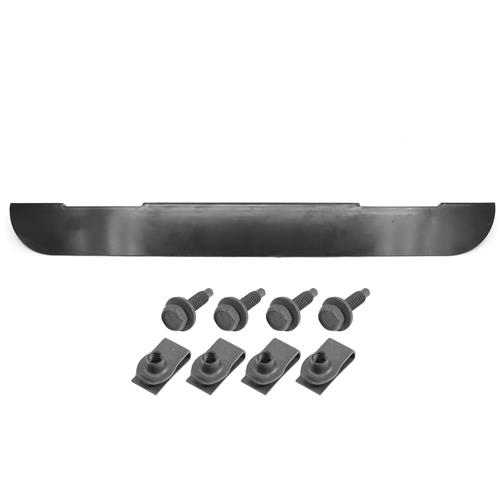
Does the car still have the factory air dam installed?
1782968959976.webp


The other thing to check for in this regard is to check for bubbles/air pockets in the cooling system. You mentioned that it was fairly new. There is a procedure for this that includes jacking the front the of the car once the T-stat opens up.

Do I need a different coolant for Texas temps?
No, and don't get sucked into additional additives. Look down in the radiator and see if there is any buildup in there (calcium or otherwise). If it looks clean then leave that part as-is. Fill it only with green 50/50 or green coolant and distilled water. In TX, you will mostly top off with distilled water.
 

Let's try and break this down into forum chunks:


Good info. Did you check the fan clutch to make sure it's working? With the engine [off] the fan should hand-spin pretty free with a little resistance when cold. When the engine is hot, you should feel a lot more resistance when you spin it by hand.
I will check this tomorrow.
If you don't have the tools to service this yourself you may want to have it sucked down, checked for leaks, and reserviced.
Yep - thats a job for the pros. I only included that detail in case it was a tell worth considering.
Does the car still have the factory air dam installed?
Nope.
1782968959976.webp


The other thing to check for in this regard is to check for bubbles/air pockets in the cooling system. You mentioned that it was fairly new. There is a procedure for this that includes jacking the front the of the car once the T-stat opens up.
On these cars can you check the t-stat by testing the heater in the cabin? If no hot air T-stat not working?
No, and don't get sucked into additional additives. Look down in the radiator and see if there is any buildup in there (calcium or otherwise). If it looks clean then leave that part as-is. Fill it only with green 50/50 or green coolant and distilled water. In TX, you will mostly top off with distilled water.
Clear. will look in the rad tomorrow.


On these cars can you check the t-stat by testing the heater in the cabin? If no hot air T-stat not working?
No. You'll get heat to the heater core before the t-stat opens. It's best just to run with the cap off until you see coolant fuuly flowing through the radiator.

Additional note on this: Fox cars us a vacuum operated air mixture box/control. The heater core will always get block circulation unless it's been bypassed.
 
Those funnel type coolant fillers that screw onto your radiator make it super easy. Jack the front of the car up (so the radiator inlet is at the highest point in the system), screw the funnel on, fill the funnel up like 1/4-1/2 full off coolant (which also means your radiator and lower hoses are now full of coolant, run the car until it starts getting warm, once the thermostat opens up that coolant in the funnel will drop quickly as coolant gets cycled through the system, keep filling the funnel to 1/4-1/2 way full and just let the car run. You will see air bubbles coming out periodically, give the engine some small revs during this process to help more air come up... when you're confident all the airs out the funnel kits have a stopper you put down into the funnel tip so when you unscrew it from the radiator coolant from the funnel doesn't spill everywhere. Cap the radiator and you're good to go. Dispense of the coolant left in the funnel back into whatever coolant container you have.
 
First, get a aftermarket temp gauge, the stock gauges are a 'best guess' and knowing what the actual temp is in degrees instead of what slash mark is normal or over heating.
I don't like those 'pillar gauge pods' so I mounted the extra gauges at the bottom of the dash, but you can zip tie it to the wiper if you want to, don't matter to me, I did the same with an electric oil pressure gauge.
Second, the air damn is very important for air flow at higher speeds, let me explain, once the car reaches a certain speed, this number is different for each model but the science is the same, air moving through the radiator core (and condenser with AC) at rest is pulled through mechanically, once the car is moving air is forced through the rad/condenser cores into the engine compartment which is occupied by stuff, hot stuff with little room for air movement so mounting (basically) air foil under the radiator on the bottom of the rad support like the 'duck tail spoiler' on the back of a race car, this allows the air to escape out the bottom by means of a 'low pressure area' created by the air dam, the air dam moves the air going by downward and in turn allows the air getting packed into the engine compartment to escape, if you can't get the air out you can't get air through the rad core and engine temp rises, this is called 'packing' in aero speak, air packs in the dog house, the cooling air gets pushed around the front of the car and dog house gets hotter and dog dies.
That's why the dog cools off when you slow down.
Oh, there will be a test on Friday