20 Year Un-storage - Suggestions?

MN_Stang

New Member
Mar 31, 2017
28
1
3
Hello,

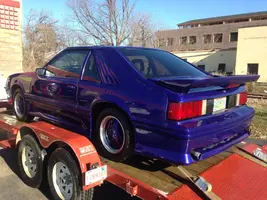
Just joined here. I recently hauled my very first car (1982 GT) out of storage. When it was parked that last time, it wasn't known it would be stored, so I didn't take amazing storage precautions. :(

That said I would love to know if anyone has suggestions about necessary projects before I try to to start her up again the first time.

Here is my list so far, but please feel free to weigh in with input or further suggestions. I've bolded some questions I have within my list. Excited to join this community!

Pull out dash - I used a camera scope to look in the heater box and saw what I'm pretty sure was mouse crap and a small start of a nest. Because I know that stuff can make you sick if breathed in and just smells bad, I thought I'd pull the whole dash and clean the duct work to be ahead of this. Overkill? The heater core was replaced 1 year before storage. Should I replace again since I'm going in anyway? Same for evaporator? -I've never changed the evaporator, but remember the system had a hard time staying charged after a mechanic recharged it. Maybe it also makes sense to change both while the HVAC box is out?

Remove seats and carpets - There was some mouse crap on the carpet. I planned on vacuuming the thick dust off the seats, then using an auto canned upholstery cleaner/brush. For the carpet, I thought I'd use one of those pet owner's carpet cleaning wet vacs to wet vac the entire thing and sun dry.

Pull the valve covers and squirt oil on the valve system before trying to start

Squirt oil in the spark plug holes prior to trying to start.

scope the gas tank for rust - most likely I will buy a new tank and pump.

Clear the gas lines - What is the best way to do this? Remove from the carb and use air pressure to blow back toward the tank/into a drain pan?

Turn the crankshaft with a breaker bar.

Change fluids - oil, diff, tranny, antifreeze

Empty carb bowl - anything else to do here?

Thanks in advance for any suggestions!
 

Attachments

  • IMG_5609.webp
    IMG_5609.webp
    634.7 KB · Views: 254
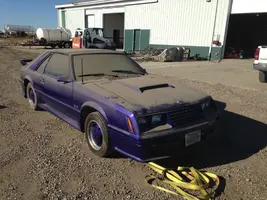
Damn. It's really been sitting since 1997? Looks good for 20 years.

Yeah, step #1....clean clean clean

Thanks a lot. Yep, 20 years inside the quonset you see behind it. It was restored, driven for about 2 years, then stored. Time to right my wrongs and start driving her again. Photo after a bath included.
 

Attachments

  • IMG_5613.webp
    IMG_5613.webp
    547.4 KB · Views: 249
That pretty much covers it with the exception of priming the engine, change the oil of course, pull the distributor and turn the oil pump drive shaft with a drill for a minute or so after you see oil pressure.
Fresh plugs, wires and gas, make sure you carb is working good, maybe a gasket kit of it, fresh oil in the trans.
Check your brakes.
 
  • drain and change all fluids
  • Change all filters
  • Replace all hoses, belts
  • Replace all tune up parts- spark plugs, cap, rotor, wires,
  • Flush out radiator, gas tank,
  • pull the valve covers and inspect for sludge, broken/frozen valvetrain
  • Rebuild carb
  • replace fuel pump
  • I woulld blow out the gas lines with air
  • Replace all vacum hoses
  • Inspect all underhood wiring
  • Inspect brakes, wheel cylinders, calipers
  • Lubricate all hinges, lock cylinders, window regulators, etc.
  • Chances are seals, gaskets in the engine and other drivetrain are dry rotted and will leak
  • I would spray some oil down each spark plug hole and try and turn the engine over with a breaker bar
  • Have a fire extinguisher handy when you start it up
Thats about it off the top of my head. Good luck to you and keep us posted.
 
Barn car find checklist: first steps to get it back on the road.

First of all, carefully check the underhood area to make sure that rodents haven’t had a feast on the electrical wiring, air ducts and vacuum lines. Replace and repair any visible damage. Replace the battery if you haven’t already done so.

Next, drain ALL the engine fluids, transmission fluid, pump the fuel tank and fuel lines clear.

Get several cans of brake fluid, you will need it to flush the brakes. Loosen all 4 brake bleeders one at a time and flush the brake system by pumping the brake pedal. You will need to bleed the brakes when you finish flushing them. Brake fluid absorbs moisture if it sits for a long time and corrosive compounds start to brew themselves in the brake system.

Pumping out the old gas - do this before replacing the fuel filter if possible;
If the old pump still works, you can use it to pump the tank out.
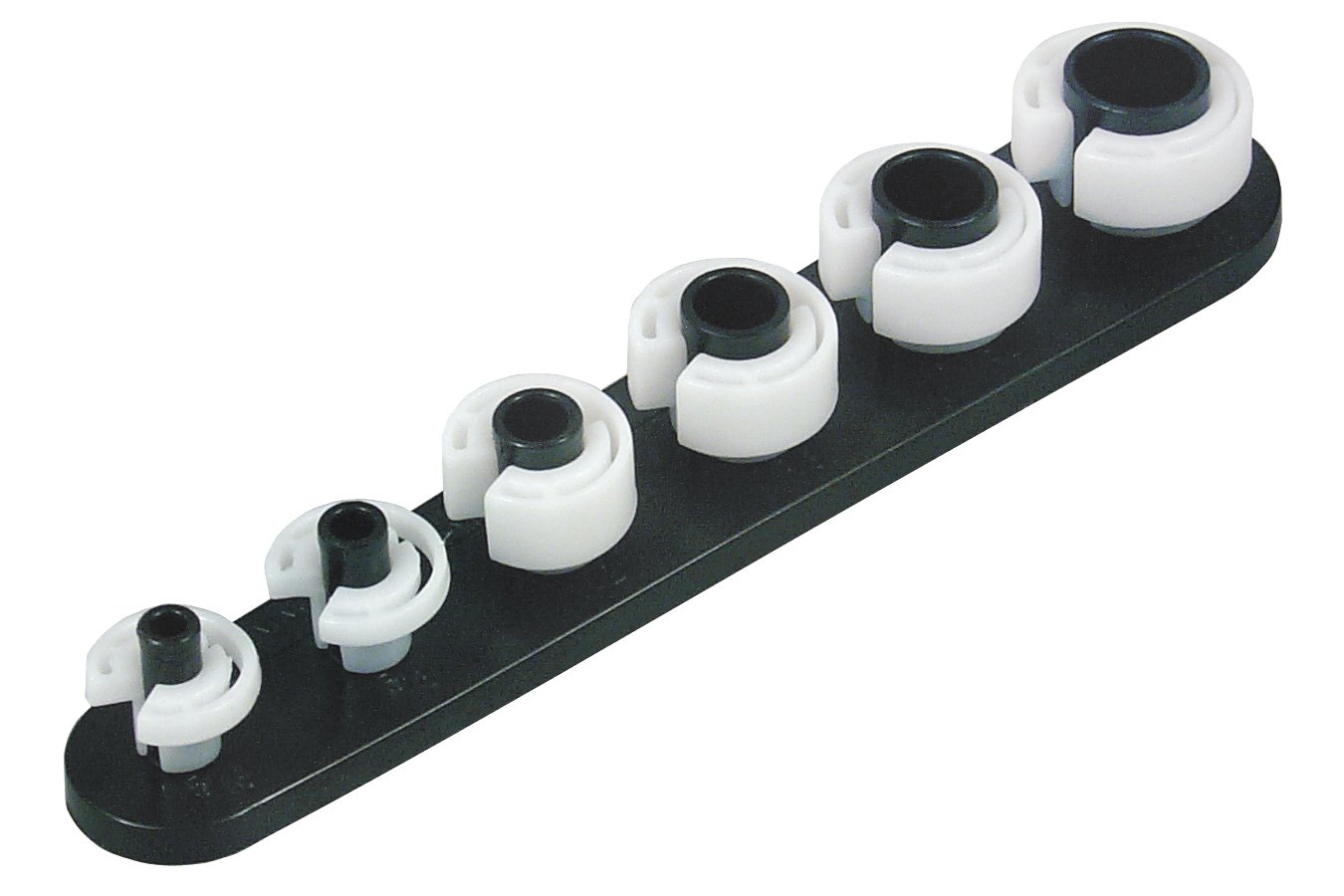
1.) Separate the pressure line (the one with the Schrader valve on it) using the fuel line tools.
Look in the A/C repair section for the fuel line tools. They look like little plastic top hats. You will need the 1/2" & 5/8" ones. The hat shaped section goes on facing the large part of the coupling. Then you press hard on the brim until it forces the sleeve into the coupling and releases the spring. You may need someone to pull on the line while you press on the coupling.

61yoVRLxcXL._SL1350_.jpg


OR

images


View: https://www.youtube.com/watch?v=vRTjYAxvaCs


Use a piece of garden hose to run from the pressure line to your bucket or gas can. Make sure it is as leak proof as you can make it. Fire and explosion are not part of the repair process...

2.) Jumper the fuel pump’s test point to ground.

attachment.php


Turn the ignition switch to the Run position. the fuel pump will pump the tank almost dry unless the battery runs down first.

Some 5 gallon paint pails lined with garbage bags are good to hold the gas. The garbage bags provide a clean liner for the pails and keep the loose trash out of the gas. If you decide to use a siphon, a piece of 1/2" garden hose stuck down the filler neck will siphon all but a gallon or so of the gas.

The fuel filter is on the passenger side of the car on the body just over the rear axle housing. Pull the plastic clips out by grasping the tabs with a pair of needle nose pliers or a screwdriver.


]View: https://www.youtube.com/watch?v=i-JU54w7FL4]

At this point you have fresh engine fluids, fresh gasoline, new filters, new battery fresh brake fluid, and have replaced or repaired any rodent damage.
Then change ALL the filters (fuel, air & oil). Then put in new oil, new antifreeze, and 5 gallons or so of new gasoline. Be sure to replace the all the fan belt or belts. Reusing old belts are an invitation to break and leave you stranded or overheated.

Pull the spark plugs out and squirt some oil down inside the cylinders to lube them up. While the spark plugs are out, examine them for signs of damage or fouling. Write down which plug came from which cylinder and write down any negative things that you saw when you examined the spark plugs.

This next step is for those who have successfully removed and reinstalled a 5.0 Mustang distributor. Pre-oil the engine to insure that everything is lubed up good before the engine starts. Turn the engine up to where the distributor rotor points to #1 cylinder. Mark the distributor base with a scratch mark or something else that isn’t going to get rubbed off. Then remove the distributor and stick a ¼” socket on a12” extension on an electric drill. Place this rig on the oil pump shaft in the hole below the distributor. Turn the ignition switch to Run but don’t crank the engine. Run the drill counterclockwise while your assistant watches the oil pressure gauge.

For the less experienced DIY’er, here is a less complicated procedure.
While the spark plugs are out, crank the engine until you see the oil pressure gauge indicate pressure. If you don’t see any indication of oil pressure at the gauge after 30 seconds or so of cranking, you have some other problems. This is the time to stop and investigate them.

Put the old spark plugs back in if they look good; replace the ones that don’t. Have a spare set of new spark plugs handy for installation once you get the engine running. Why? The oil you squirted in the cylinders will lube things up, but it may also foul the spark plugs. Don’t foul the new plugs by putting them in cylinders that may oil foul the plugs.

Remove the distributor cap, and examine it and the rotor for signs of moisture and tracks. Lightly spray the inside of the distributor cap with WD40 to displace any moisture, and then wipe it up with a clean paper towel. Replace any cap or rotor that shows signs of damage, excessive corrosion or tracking that won’t wipe up with a shot of WD40.

Put the distributor cap back on, secure any loose wiring, vacuum lines, check the fluid levels, check belt tension and tighten any fasteners that you may have loosened. You are now ready to see if the engine will run.
 
  • Like
Reactions: MN_Stang
Looks great for being stored for that long! If that carb had gas in it, you'll definitely want to pull it apart and replace the gaskets and any other soft parts at the very least. You may have to soak it and rebuild it as well, it's probably all varnished and gummed up. Let us know what you find after you go through it. Can't wait to see it back up and running!
 
  • Like
Reactions: MN_Stang