New Car, New Project

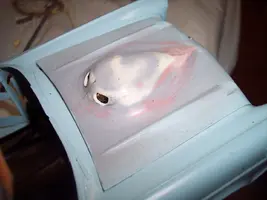
One thing I learned years back is make sure all your paint products are same brand and compatible with each other. I'm a little confused though, why would putting a urethane paint make lacquer primer lift? The other way around, putting lacquer on top of urethane might make it lift. Again I'm no expert, and have only sprayed 4 cars, 3 motorcycles. I used to use dupont lacquer primer, I think it was called 131, it's been a lot of years back. I sprayed single stage centari enamel or 2 stage base coat/ clear on top, never had a problem. Maybe your brand primer needs lacquer top coat! My two cents worth, Moose.


Sent from my iPhone using Tapatalk
:shrug::scratch::shrug:
 
Started putting it back together today. Headlights, taillights, spoiler, installed door handles, door and hatch locks and rubber seals around door and hatch.
A little trim makes a big difference.

The blue looks good man, congratulations on all your hard work paying off,looking forward to seeing it finished
 
Hey, I don't know anything about this paint stuff, only took the advice of the local paint shop. They said the lacquer primer might still be evaporating through the base coat, the body guy who has been painting and selling paint for years said that it could possibly cause small holes (vents) in the paint??? I didn't want to take a chance, I need as much as possible in the plus column since I have no experience or education on this stuff.
 
Hey, I don't know anything about this paint stuff, only took the advice of the local paint shop. They said the lacquer primer might still be evaporating through the base coat, the body guy who has been painting and selling paint for years said that it could possibly cause small holes (vents) in the paint??? I didn't want to take a chance, I need as much as possible in the plus column since I have no experience or education on this stuff.
You've quoted the wrong guy. I was questioning the previous guy (who was giving you advice after the fact).
 
  • Like
Reactions: RaggedGT
One thing I learned years back is make sure all your paint products are same brand and compatible with each other. I'm a little confused though, why would putting a urethane paint make lacquer primer lift? The other way around, putting lacquer on top of urethane might make it lift. Again I'm no expert, and have only sprayed 4 cars, 3 motorcycles. I used to use dupont lacquer primer, I think it was called 131, it's been a lot of years back. I sprayed single stage centari enamel or 2 stage base coat/ clear on top, never had a problem. Maybe your brand primer needs lacquer top coat! My two cents worth, Moose.


Sent from my iPhone using Tapatalk
Lacquer primer (and topcoats) can lift because they can be returned to a wet solution by applying a heavy topcoat of most any solvent based system. The solvents in the new product essentially rewet the primer. Modern solvents can't be used to reduce a lacquer based product because of incompatibility, but can cause the lacquer system to become a wet solution.

If this doesn't happen to you fairly quick, from the first few seconds to about five minutes, then it probably won't happen. Mind you, if consecutive layers are laid on too wet, or too quickly, the solvents still can soak down to the primer layer and cause lifting.

They don't always lift, but can relatively easy.

Lacquer on top of a eurethane can cause lifting because of the caustic nature of what it is reduced with (lacquer thinner).

Once you sand a eurethane surface, you open the paint up to allow adhesion for what you are topping it with. If it is lacquer, it gets soaked with the thinner and will usually cause the underlying base to return to solution, breaking the bond of it from the surface and swell because of the additional solvents present. This causes the clear coat to float and "wrinkle" giving you that lifted look.

When we used to shoot lacquer systems back in the late seventies and into the early eighties, lifting was a general issue that you had to learn to work with when repairing a previous paint job. It didn't seem difficult at the time, but that was just part of painting then.

So, if you use a lacquer product now, such as rattle can primer, it's best to start coverage with a couple fairly light coats prior to heavier coverage coats. Allow those first coats a little extra time to dry prior to the heavier coats as well. That provides kind of a "barrier" coat.

I hope this makes sense. I could probably explain this to you in about one minute talking to you, but typing it out seems to take forever. If you want a more detailed explanation, pm me.

BTW, lifting can occur with eurethane products as well. Somewhat the same principal as listed above. It's just less likely since modern reducers aren't as aggressive in causing the underlying layers to return to solution.
 
Last edited by a moderator:
Lacquer primer (and topcoats) can lift because they can be returned to a wet solution by applying a heavy topcoat of most any solvent based system. The solvents in the new product essentially rewet the primer. Modern solvents can't be used to reduce a lacquer based product because of incompatibility, but can cause the lacquer system to become a wet solution.

If this doesn't happen to you fairly quick, from the first few seconds to about five minutes, then it probably won't happen. Mind you, if consecutive layers are laid on too wet, or too quickly, the solvents still can soak down to the primer layer and cause lifting.

They don't always lift, but can relatively easy.

Lacquer on top of a eurethane can cause lifting because of the caustic nature of what it is reduced with (lacquer thinner).

Once you sand a eurethane surface, you open the paint up to allow adhesion for what you are topping it with. If it is lacquer, it gets soaked with the thinner and will usually cause the underlying base to return to solution, breaking the bond of it from the surface and swell because of the additional solvents present. This causes the clear coat to float and "wrinkle" giving you that lifted look.

When we used to shoot lacquer systems back in the late seventies and into the early eighties, lifting was a general issue that you had to learn to work with when repairing a previous paint job. It didn't seem difficult at the time, but that was just part of painting then.

So, if you use a lacquer product now, such as rattle can primer, it's best to start coverage with a couple fairly light coats prior to heavier coverage coats. Allow those first coats a little extra time to dry prior to the heavier coats as well. That provides kind of a "barrier" coat.

I hope this makes sense. I could probably explain this to you in about one minute talking to you, but typing it out seems to take forever. If you want a more detailed explanation, pm me.

BTW, lifting can occur with eurethane products as well. Somewhat the same principal as listed above. It's just less likely since modern reducers aren't as aggressive in causing the underlying layers to return to solution.

***Sigh :nonono: **

Aren't you a painter by trade? How many times over the years do you spose you've looked at the can that says urethane on it and subconsciously added an "e" to the front?

3:35 AM? Clearly that was where the error in spelling occurred....you were still asleep?:rolleyes:
 
***Sigh :nonono: **

Aren't you a painter by trade? How many times over the years do you spose you've looked at the can that says urethane on it and subconsciously added an "e" to the front?

3:35 AM? Clearly that was where the error in spelling occurred....you were still asleep?:rolleyes:
Thank you Mr. Fix It.

I was supporting Britain by getting out of the eu.
 
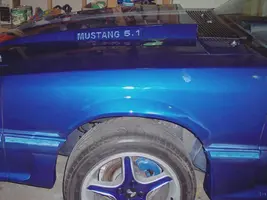
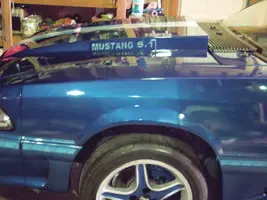
ok been putting it back together, put on the window trim, mirrors, new window runner and quarter windows. Makes a big difference. I'll wait on the windshield and rear window till I sand and buff. 10 days should be long enough.
While I had a few minutes I thought I'd do the wheels in the correct color.
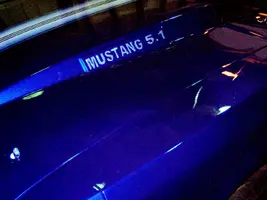
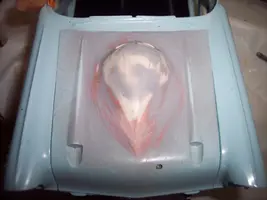
Hey madmike, since you didn't like my horses what do you think of my hood?
 

Attachments

  • 102_0429.webp
    102_0429.webp
    491.3 KB · Views: 254
  • 102_0435.webp
    102_0435.webp
    442.7 KB · Views: 238
  • 102_0436.webp
    102_0436.webp
    362.6 KB · Views: 249
ok been putting it back together, put on the window trim, mirrors, new window runner and quarter windows. Makes a big difference. I'll wait on the windshield and rear window till I sand and buff. 10 days should be long enough.
While I had a few minutes I thought I'd do the wheels in the correct color.
Hey madmike, since you didn't like my horses what do you think of my hood?
I'm guessing you are putting a 306 in it? lol
I dig that color man-looks like it layed out really nicely
 
Yahooooooo! The engine is back in it's home, sat it in today and started hooking things back up. It went in like it had eyeballs, dropped right on the motor mounts first shot. Not bad for doing it all with one person.
Took some photos of the install but now I can't find them on the sd card ????? I should have it running tomorrow. I'll get some more pic's.
 
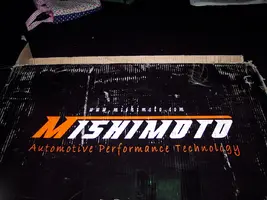
Well it didn't work out today just didn't have the time but I did run down an awesome deal on a Mishimoto heavy duty aluminum 3 core radiator.
For $80
 

Attachments

  • rad1.webp
    rad1.webp
    345 KB · Views: 261
  • rad2.webp
    rad2.webp
    695.1 KB · Views: 258
IT'S ALIVE !!!!!!!!!!
Well it's finally running again and it sure feels good to hear it again.
Installed that 3 core aluminum radiator with shroud and 16" fan.
Replaced the speedo cable (again) and it's no fun.
running a little rough at idle, might have a vacuum line open somewhere.
All in all it was a good day at the office. :lol::rlaugh::banana: