- Mar 2, 2015
- 6,948
- 5,822
- 213
@MFE92 I stand kind of corrected. I did research and found this...
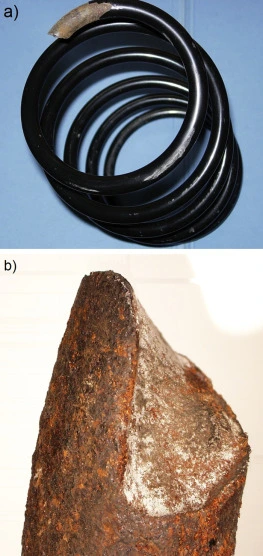
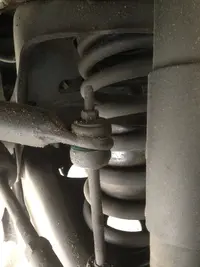
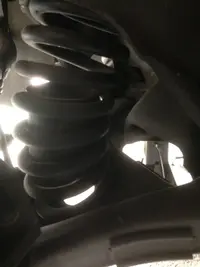
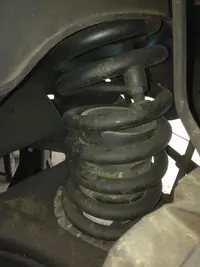
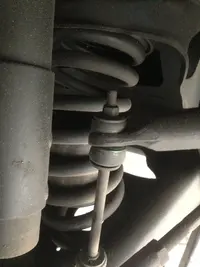
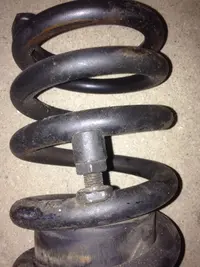
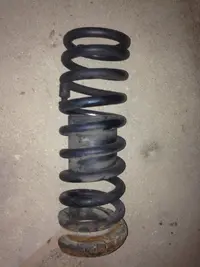
That spring broke from rust... It caused very small fractures in the silicone mixed spring steel
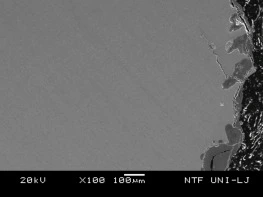
That caused the spring to break. The break shortened the spring...which caused the stiffer ride. As a spring shortens its rate goes up disproportionate to the length cut. 1/3 cut off a spring doesn't decrease the spring rate but increases it.
This spring wasn't damage molecularly by the rust in the unbroken section.
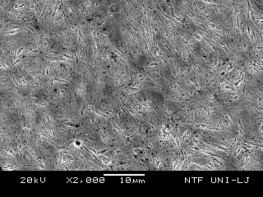
Rust only increases the ability for the surface cracks to penetrate and compromise the spring. You would think the spring would get softer as the surface cracks reduced the diameter of the spring.
I've witnessed several cars that rode harsh...good bushings and all. On my car ( 67 Buick Electra ) I replaced the shocks but the harshness didn't go away until I changed the springs. Since then I always try to replace springs and shocks together on any car I work on if the customers budget allows.
Who knows what that car went through before I bought it.
Just wanted to share what I found out. It could very well be another reason for the harsh ride. I could be wrong ( wouldn't be the first time )
Its kinda like the old tale of valve springs getting weak from sitting...but folks fire them up after sitting several decades with no problems.
I'm at a loss on this issue....but I definetly don't want to pass along bad info.
I was an engineering major in college....but jeesh that was a long time ago
That spring broke from rust... It caused very small fractures in the silicone mixed spring steel
That caused the spring to break. The break shortened the spring...which caused the stiffer ride. As a spring shortens its rate goes up disproportionate to the length cut. 1/3 cut off a spring doesn't decrease the spring rate but increases it.
This spring wasn't damage molecularly by the rust in the unbroken section.
Rust only increases the ability for the surface cracks to penetrate and compromise the spring. You would think the spring would get softer as the surface cracks reduced the diameter of the spring.
I've witnessed several cars that rode harsh...good bushings and all. On my car ( 67 Buick Electra ) I replaced the shocks but the harshness didn't go away until I changed the springs. Since then I always try to replace springs and shocks together on any car I work on if the customers budget allows.
Who knows what that car went through before I bought it.
Just wanted to share what I found out. It could very well be another reason for the harsh ride. I could be wrong ( wouldn't be the first time )
Its kinda like the old tale of valve springs getting weak from sitting...but folks fire them up after sitting several decades with no problems.
I'm at a loss on this issue....but I definetly don't want to pass along bad info.
I was an engineering major in college....but jeesh that was a long time ago
Last edited: