Can you name these things for me

dankush

New Member
Nov 8, 2008
5
0
0
Can you tell me what these things are, what their sources and destinations are and what their primary functions are. Most importantly I want to know what the ones going into the intake and coming out of the intake plenum are, but if you could answer all of them, it would be great.

Picture 1
SNB12023.webp


Picture 2
SNB12022.webp


Picture 3
SNB12018.webp


Picture 4
SNB12016.webp
 

Attachments

  • SNB12023.webp
    SNB12023.webp
    82.3 KB · Views: 102
  • SNB12022.webp
    SNB12022.webp
    67.2 KB · Views: 111
  • SNB12018.webp
    SNB12018.webp
    54.5 KB · Views: 113
  • SNB12016.webp
    SNB12016.webp
    75.6 KB · Views: 118
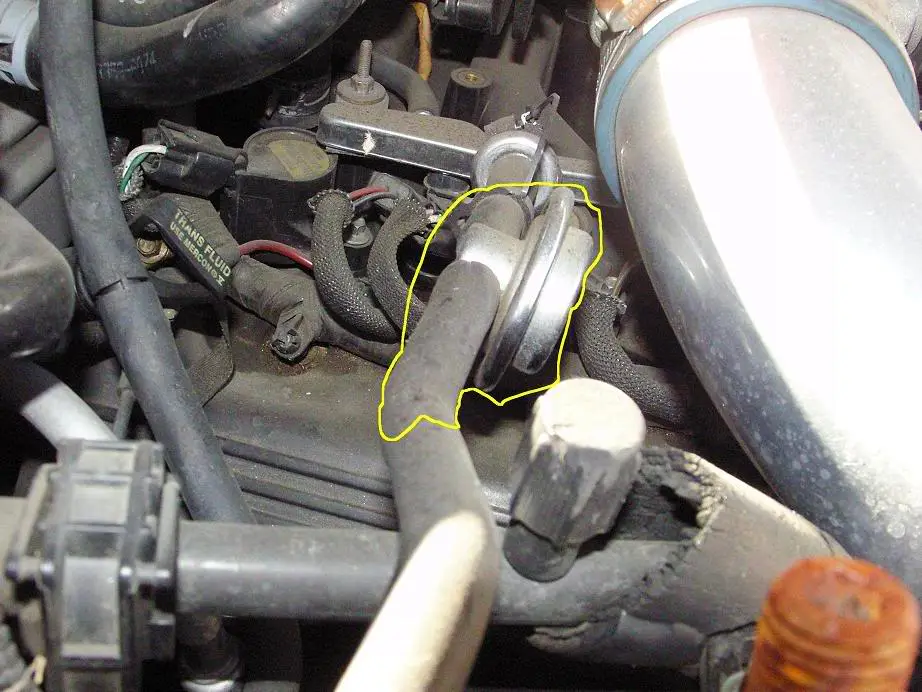
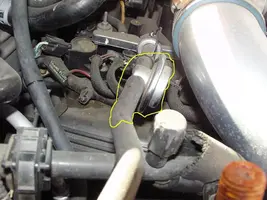
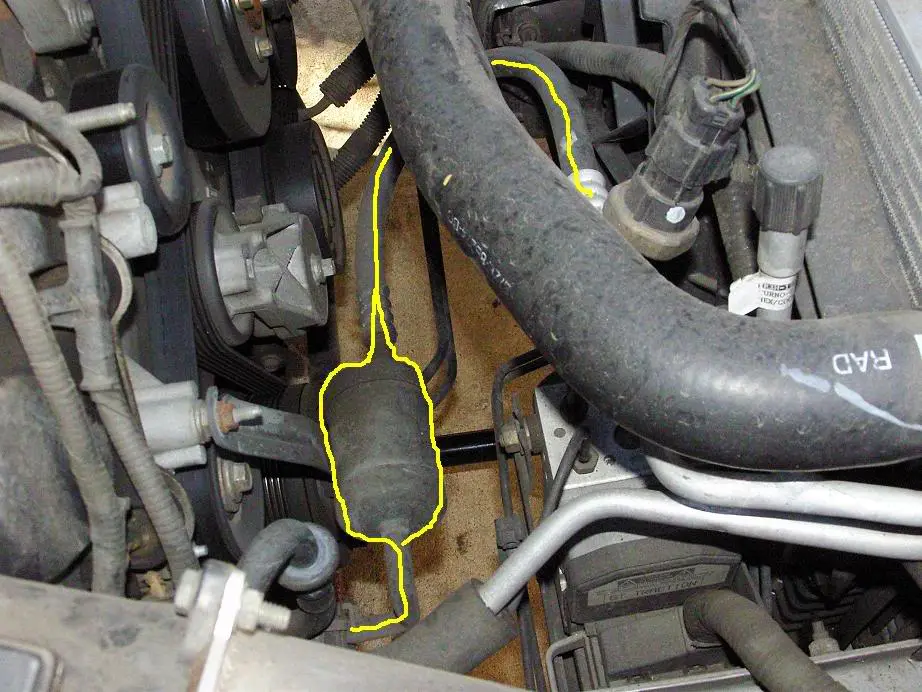
Ok, the first pic is a a picture of one of the A/C lines. I forget what that bubble in the line is called specifically, though.

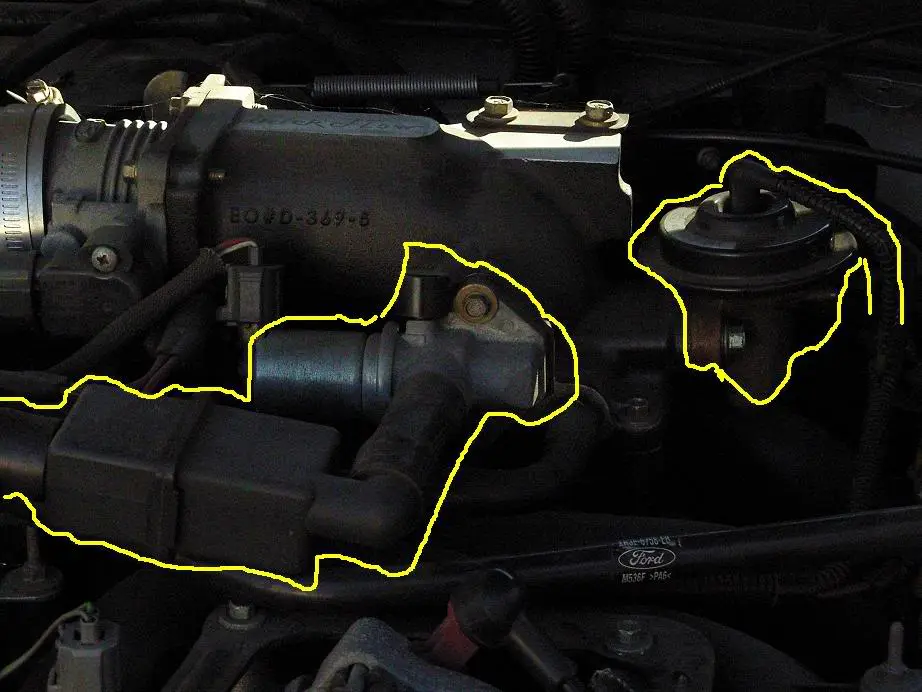
Second picture is your fuel pressure regulator.

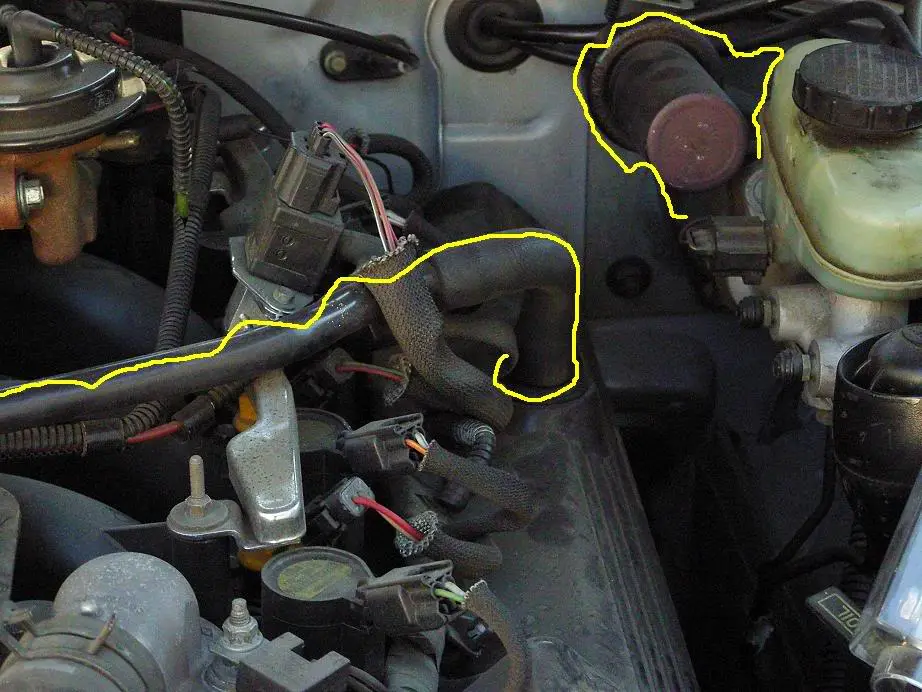
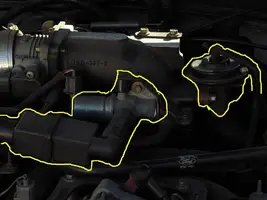
Third picture: Left item is the Idle Air Control valve, and the plastic box in the tube is a muffler of sorts to stop wind noise and hum from it. The right item is your EGR valve.

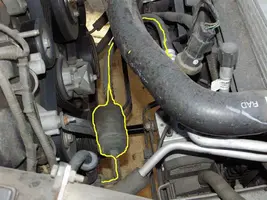
Fourth picture on the left is a breather tube that should connect to the intake tube itself. You can throw a breather filter on that and plug the intake tube hole, but some drag strips don't like that. The right item is a vibration dampener on the brake booster, but I could be wrong on that.

I also noticed that this is an automatic, with a system.:D
 
dankush:

2nd picture is a fuel pressure damper. The regulator is at the end of the fuel rail (pre-99) or on the middle of the rail on the passenger side (99 and newer).

4th picture: the black tube is part of the positive crankcase ventilation (PCV) system. The PCV valve is on the other cover and, as "Shiroelex" said, the smelly gases vent to the intake tube rather than the atmosphere. If you put a vent/breather on the cam covers you can bring in unmetered air into the engine and this can cause a lean condition. Unless you are running a supercharger, I suggest that you leave the PCV system alone.

Pick up a Haynes manual ($20) at AutoZone or Borders or your local bookstore. It has lots of pics and very good instructions, imo. If you are flush with cash, pick up a Helms shop manual ($100 to $150 for the paper version).

HTH,

Chris
 
twogts4us:

Not to be argumentative but.... Doesn't a sensor need to send info back to the PCM (or an intermediate receiver)? There are no wires coming off that disk-shaped device. I have the same thing [damper!!] on my '98 (I think we all do) in addition to a vacuum-controlled regulator on the end of the fuel rail. I understand that the returnless system pump works on variable voltage and there is no need for a "pressure regulator" but there is a fuel rail pressure sensor (FRPS) on one fuel rail and it goes bad from time to time causing problems for you +99 owners. The PCM uses the FRPS to regulate the fuel pump. If the rail pressure is lower than it should be for a given RPM/load then the pump is sped up, if the rail pressure is higher than it should be for a given RPM/load then the pump is slowed down. Any spikes in the pressure are moderated by the little damper.

No offence intended. :cheers: :flag:

Chris
 
it is a dampner. the ruel rail pressure sender is on the fuel rail. pic 4 on the right side is a high pressure resivour for power assist brakes. the ac line has a muffler on it and that would be the high pressure side.
 
twogts4us:

Not to be argumentative but.... Doesn't a sensor need to send info back to the PCM (or an intermediate receiver)? There are no wires coming off that disk-shaped device. I have the same thing [damper!!] on my '98 (I think we all do) in addition to a vacuum-controlled regulator on the end of the fuel rail. I understand that the returnless system pump works on variable voltage and there is no need for a "pressure regulator" but there is a fuel rail pressure sensor (FRPS) on one fuel rail and it goes bad from time to time causing problems for you +99 owners. The PCM uses the FRPS to regulate the fuel pump. If the rail pressure is lower than it should be for a given RPM/load then the pump is sped up, if the rail pressure is higher than it should be for a given RPM/load then the pump is slowed down. Any spikes in the pressure are moderated by the little damper.

No offence intended. :cheers: :flag:

Chris

Sorry Chris, let me clarify...the comment I made ("Actually, it's a fuel pressure sensor") was referring to was your statement:

The regulator is at the end of the fuel rail (pre-99) or on the middle of the rail on the passenger side (99 and newer).

We're on the same page, I just didn't make it clear which item/comment I was referring to (damper vs. FPS).

:nice:
Thanks!
Chris (yeah, I'm Chris too :hail2:)