New Member... Helping a Girl Build a Race Ening

SirNik

New Member
Jun 28, 2005
4
0
0
New Member... Helping a Girl Build a Race Engin

So I'm new to this forum. I've been on Dodge-Charger.com since I got my Charger a few years ago and now I'm getting into Fords and the guys over on the dodge site told me to check out this forum. And I like it.
A friend of mine Races the Pro 4 Class and she is going to be a Sr. in High school this coming school year. As part of her Sr. year she has to do a Sr. Project. She has chosen to rebuild the engine in her race car. Witch happens to be the 2.3L. I'm currently in college to get an associates degree in Automotive Technology and I'm taking Machine shop classes to get my M1 M2 and M3 certifications. So I'm her mentor for her Sr. Project.
as I said before I've been into the dodges for a while and I've just finished helping my friend restore his 1965 Mustang, and I'm currently helping my other friend with his 429ci 1969 Ranchero project. So I've been all around fords, just never owned one. And I've never worked on the 2.3L before. so I'm here to learn all I can about the 2.3L before I tear it apart, and I'm sure I'll have some questions once I get into it.

Nik
 
It's a pretty simple motor to work on. I've never torn into any engines before, and I've been building my 2.3T from a bare block since Christmas break. You sound fairly experienced, so you shouldn't have a problem with it.

(shameless pic whoring, lol)
513839_129_full.jpg


Brian
 
A 2.3turbo swap from an 87-88 turbocoupe is the best bet.

heres some things you can do afterwords

Get the car running right, put decent tires on it, and take it to the strip and get some baseline numbers for it!
At sea level, a 200hp version of the 2.3T in a 3300lb car should run a low 15/high 14, and a 175hp version should run a low-mid 15. These times assume decent (but not spectacular) traction and driving.

Stage 1:
Disconnect the knock sensor FREE
K&N Air filter/no air box $30-$50
Adjustable boost $5-$500
At first glance, disconnecting the knock sensor would seem nuts. BUT, the knock sensor is easily fooled by non-detonation noises into pulling out timing when it shouldn't, and it takes out way too much. People generally run about 3 tenths faster when they disconnect it...you gotta use your brain to avoid detonation and broken parts.

Turn up boost till the overboost buzzer just comes on, this is about 17.5 psi OR set it wherever you want (Air/fuel meter highly recommended) ;-).

The best number I've heard of so far for an SVO at this stage was an 86 that ran a 13.75 on slicks. This was posted by a list member a while back.

Stage 2:
Big exhaust $200-$1000

Engle 55 or Ranger roller cam $150

Tbird Intercooler $50-$100
Optional, save your money for a serious one if you're going to go farther than stage 2

Late model computer and injectors for early model owners $400?
You can also Superchip an early model computer to make it the same as a late model computer.
When a new computer or chip becomes a requirement for early model owners will depend on a lot of things, but generally, if you're running 95mph or more in the quarter mile in a stock weight SVO (~230hp), it's probably about time. For some people this may happen before the cam change. You probably want the computer you buy to be from an intercooled car (late SVO, or late Tbird TurboCoupe). The computer mapping was different for inter-cooled versus non-intercooled applications. Late model owners (single fuel pump) may also want to consider going to a higher flow fuel pump at about this point. The early model double-pump system should be OK for most applications. If you're going to use nitrous at some point, go all out on the fuel pump(s).
At this point, you should have gained at least 5 or 6 mph, and half a second off your baseline time. Typical gains would be closer to a full second, if for no other reason than that you should be getting to be a pretty good driver by now ;-).

Stage 3:
Good intercooler $250-$1250

The intercooler is the most important power production part in a turbo motor. The only reason the parts listed above were listed first is because they can be done cheaply, and a good intercooler can not, unless you find a really good deal on a used one or fabricate one yourself.
Stage 4:
High flow turbo $600-$1500
Ported late model exhaust manifold or header FREE-$500
Stage 5:
Ported head/big valves/maybe bigger cam FREE-$2000
Ported intake manifold FREE - $500
The early and late model intake manfolds flow similarly, but the late model is better if you want to use the stock knock sensor system.
If you're the "money is no object" type, the aluminum head and a matching manifold from Esslinger are better than all the porting in the world on the stock parts. If you're going to end up buying them anyway, there's no point in spending a lot of money on the stock parts first. If you're good, you may be able to approach 90% of the performance for a lot less money, though.
Stage 6:
Parts exist to do an aluminum head 3 liter 8000RPM stroker motor if you want to go nuts. This will require more fuel than the stock 86 system can provide. Currently you're on your own for such things... BIG BUCKS!
Other things like underdrive pulleys ($50) and cam timing pulleys ($50-$100) can be played with as desired. Prices vary depending on the deals you find, and how much of the work you can/will do yourself. There's always nitrous for those who are inclined to deal with it, and to take the necessary precautions.

Results will vary, but 13s in the mid 90s can be run on the 30# injectors, and 12s at a few mph over 100 can be run on the 36s, both without nitrous. With nitrous and some creativity, a lot more is possible.


Taken from boosted bird on MM(good find :D)

hers a bunch of links I have that helpted me learn alot.

http://projecthp.ford23.com/turboswap.html (can you read sterio instructions?)
http://therangerstation.com/tech_li...rboInstall.html (I wouldent even suggest doing this but its your car I take no responsability for your actions or choices)
http://www.hksusa.com/categories/store.asp (good products for turbos ingeneral)
http://autos.groups.yahoo.com/group/2300-16V/ (not for the faint of heart)
http://svo73mm.cjb.net/ (cheap 5 lug conversions and such)
http://www.corner-carvers.com/wiki/...hp?PlasticSpoon (TC suspention info)
http://msvorinich.itgo.com/ (awsome work mike)
http://www.turboford.org/cgi-bin/ultimatebb.cgi (good luck joining, but there the premear experts on the 2.3turbo)
http://www.mouthbreather.net/IRSSWAP.HTML (another faint of heart)
http://wcfords.com/articles/tech/t5swap/t5swap.html (for getting rid of that slop box)
http://www.motion-dynamics.net/ (lots of stuff)
http://www.esslingerracing.com/index.htm (lots more 2.3L performance parts)
 
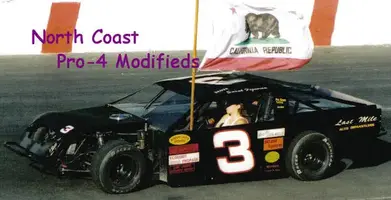
Here are the Rules that i'm working with. and a Pic of her Race Car.


1. COMPETING MODELS
A. Fabricated Chassis Only
B. Wheelbase 94" thru 102" +/- 1/2"
C. Minimum weight for roller heads
2000 CC 1750 .. 57% Left Side
2300 CC 1900 .. 57% Left Side
Left 50.. For stock type heads
CARS MAY BE WEIGHTED AT ANY TIME

2. BODIES MUST RESEMBLE IMCA

3. ROL BARS/ CAGES
A. Minimum 1 1/2" DIA. .095 NOM. wall tubing
4 post with 3 U shaped door bars on drivers
side. Front and rear hoops required. Under
slung chassis ok.
B. Side nerfs required both sides not to protrude
past tires more than 1" MIN. DIA. 1" .095 wall
tubing

4. BRAKES & STEERING
A. 4 wheel brakes required after market ok
B. After market rack & pinion ok

5. ELECTRICAL SYSTEM
A. Battery securely fastened---Not in driver area

6. EXHAUST -- MUST MEET 90 DBA AT 100'

7. FUEL & FUEL TANK
A. Fuel cell manditory -- Behind rearend
B. Securely mounted with vent
C. Murphy switch required with elec. fuel pump
D. FUEL - 110 OCTANE MAX. NO ADDITIVES

8. WINDSHIELD
A. Lexan, mesh screen or 3 vertical bars 3/8 min.

9. COOLING SYSTEM 1 QT. OVERFLOW REQ.
A. Radiator in front of engine--NO ANTIFREEZE

10. SEAT BELTS
A. 3" 5 point harness required--Install as per
manufactures instructions
B. Neck collars or other safety harness ok

11. SUSPENSION
A. Stock or after market ok
B. SHOCKS - NO CANISTER TYPE, NO PENSKE,
NO OHLINS----QA1 shocks ok

12. SEATS - ALUMINUM HIGHBACK ONLY
A. Mounted with 2 3/8" bolts in back and bottom
B. Head, Shoulder, & Leg supports reccomended

13. TIRES & WHEELS 8" MAX.
A. ANY STEEL RACING WHEEL, NO ALUMINUM
B. McCreary P235-13 ASPH or P235-13 SH ASPH
C. NO TIRE SOFTNER, MIN. DUROMETER 62 cold

14. ENGINES MAX. .040 OVERBORE
A. 2300 cc MAX NO STROKERS - LONG RODS OK
B. 2 valves per cylinder. NO AFTERMARKET HEADS
C. No dry sump oiling systems
D. Any clutch and flywheel permitted - No couplers
E. Scattershields reccomended

15. INTAKE & CARBURETION
A. HOLLY 500 or 350 CFM only, 2 return springs req.
B. Any 2 barrel intake

16. REAR ENDS & TRANSMISSION
A. Any stock production transmission
B. Mini spools ok
C. Driveline white with 1 hoop
D. Quick change or floaters ok
 

Attachments

  • Figgy Car.webp
    Figgy Car.webp
    23.7 KB · Views: 174
im jealous.......... :nice:

Before you start spending money, make sure you map out a plan of exactly what you want from the motor. Get the specs on the track, Length, banking, surface type, and average lap times of racers in the class if you can. Then talk to as many guys racing there as you can, and find out what they are running. Specificly, what rear end gears. But for the most part your prolly going to want something thats a high CR, high rpm screamer? right?

If it was me, I would go with some flat top pistons, making around 11:1 CR. A gapless top ring would be a good thought. Make sure you balance and blue print the bottom end when u put it together, and if you can find a windage tray, get it. Surface milling the block and O-ringing it would be money well spent in a high CR race motor. Bigger valves and some serious porting and bowl work should also be in the plans. Your prolly going to want a solid lifter cam, high lift and a bunch of overlap.

After you do some more research, i'd give a call to racerwalsh, Esslinger too. They seem to be the two leading companys as far as 2.3 N/A parts go. They would be able to set you up with a good proven combination of parts, or just alot of free info from one of their tech guys, that should put you right where u want to be. Also, if you go on amazon.com, there are tons of cheap books about building and racing circle track 2.3's. It would be worth looking into.
 
What will your actual involvement be in this project?

As far as the machine work its definately no different. Strong blocks to work with and nothing more than a main girdle and rods for a serious bottom end.

THE MAIN QUESTION IS???
She is rebuilding the 2.3 thats in the car now correct? that means all of the parts are there and she is just going to freshen it up? That being the case there won't be any actual Machining just "machinist" work. Hours on end with a mic, snap gauge set, dail bore gauge and cleaning brushes. After finishing my 2yr auto tech program I became rather quick with a conventional mic(not the digital ones) and I logged an immense amount of time just in measuring everything for the last 351 windsor.

Quote:
Originally Posted by SirNik
...She has chosen to rebuild the engine in her race car. Witch happens to be the 2.3L...

Nik


Freudian slip?

I read over that one twice and didn't catch it. :rlaugh:
 
there are actuall 2.3 circle track pages out there but hard to find.

Are those all the rules? I remember there being more on the motor that limited the motor to being not much more than stock.

Is the motor in the car a stock or modified 2.3?

i strongly advise for you to go to the same track and talk to the other racers. Most are willing to share thier experiences. you dont have to tell them the situation, just tell them your a hired mechanic. LOL

And last. I think we need her phone number. LMAO. Racing chicks are hot, racing 2.3 ford chicks are even hotter.


TF