
You are using an out of date browser. It may not display this or other websites correctly.
You should upgrade or use an alternative browser.
You should upgrade or use an alternative browser.
91 GT fox overheating
- Thread starter Jim925
- Start date

Have you actually done anything that has been suggested?
checking for codes?
putting the correct plugs in?
checking your fuel pressure?
checking for codes?
putting the correct plugs in?
checking your fuel pressure?
post this to the 5.0 forum. You will get more answers that way.
Could be a lot of things from timing to internal issues in the motor,
You should also get a laser heat metheasurement gun to read the actual temp at the intake, valve covers, headers, etc rather than guessing,
[ this message by Mikestang69 sounded kinda rude which is why I replied back rudely. He forgot to copy and past his replie, i helped.
Could be a lot of things from timing to internal issues in the motor,
You should also get a laser heat metheasurement gun to read the actual temp at the intake, valve covers, headers, etc rather than guessing,
[ this message by Mikestang69 sounded kinda rude which is why I replied back rudely. He forgot to copy and past his replie, i helped.

Dont care, not bookface, spelling terrible.
Pull codes, check fuel pressure. If its idling high likely a vacuum leak.
Pull codes, check fuel pressure. If its idling high likely a vacuum leak.
You obviously had good intentions sticking this explorer engine in your gt, it does appear from your post that you did not have a real plan or a lot of experience with the mechanical side when starting this project. We are here to help but you need to put in the time to learn what things make these cars function. There are test procedures and tools that are necessary to get it running corectly, get a good repair manual, go to the 5.0 technical/how to forums and learn how to fix this, we are here to help you along the way,
Just changing the plugs and hooking up the oil level sensor ain't gonna fix this.
Just changing the plugs and hooking up the oil level sensor ain't gonna fix this.
So I got my obd1 scanner, warmed the vehicle to operating temp, turned off car, hooked up the scanner, turned key to on position, turned on scanner then test, and the car made all the little noises, three times I did it the scanner read 000. I'm assuming either the ground to the scanner is bad or the scanner? Any thoughts?
Go to the 5.0 technical/how to forums and there is a how to pull codes thread that should tell you what to do if you can communicate with the computer.

The clicking of the solenoids when the test is initiated is normal. Should get a result after that. What scammer /reader are you using
Here's a how to. Basic procedure is the same even if the reader is not
View: https://youtu.be/XmOgURm7iXI
Here's a how to. Basic procedure is the same even if the reader is not
View: https://youtu.be/XmOgURm7iXI
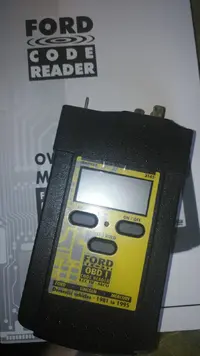
I did everything the way he did in the video already, I don't get the black arrow on the scanner the way he did, I just get 000 then it shuts off.and no codes. I'm wondering if cause the check engine light is not on or disconnected or a bad fuse somewhere.
The number of the post that will guide to where to find out what to do when the computer is not communicating with the scanner
Make sure your grounds are good, here is a post from jrichker that is a step in helping you see why your computer will not communicat:
Bad grounds in a computer controlled engine will make all sorts of strange problems.
Here's the ground fixit test path...
1.) The main power ground is from engine block to battery: it is the power ground for the starter & alternator.
2.) The secondary power ground is between the back of the intake manifold and the driver's side firewall. It is often missing or loose. It supplies ground for the alternator, A/C compressor clutch and other electrical accessories such as the gauges. Any car that has a 3G alternator needs a 4 gauge ground wire running from the block to the chassis ground where the battery pigtail ground connects.
3.) The computer has its own dedicated power ground that comes off the ground pigtail on the battery ground wire. Due to it's proximity to the battery, it may become corroded by acid fumes from the battery. It is a black cylinder about 2 1/2" long by 1" diameter with a black/lt green wire.
4.) All the sensors have a common separate ground. This includes the TPS, ACT, EGE, BAP, & VSS
5.) The O2 sensor heaters have their own ground (HEGO ground) coming from the computer. This is different and separate from the O2 sensor ground. It is in the fuel injector wiring harness and comes out under the throttle body. It gets connected to a manifold or head bolt.
6.) The TFI module has 2 grounds: one for the foil shield around the wires and another for the module itself.
7.) The computer takes the shield ground for the TFI module and runs it from pin 20 to the chassis near the computer.
8.) The computer's main power ground (the one that comes from the battery ground wire) uses pins 40 & 60 for all the things it controls internally.
See http://www.fluke.com/application_notes/automotive/circuit.asp?AGID=1&SID=103#voltfor help troubleshooting voltage drops across grounds
Bad grounds in a computer controlled engine will make all sorts of strange problems.
Here's the ground fixit test path...
1.) The main power ground is from engine block to battery: it is the power ground for the starter & alternator.
2.) The secondary power ground is between the back of the intake manifold and the driver's side firewall. It is often missing or loose. It supplies ground for the alternator, A/C compressor clutch and other electrical accessories such as the gauges. Any car that has a 3G alternator needs a 4 gauge ground wire running from the block to the chassis ground where the battery pigtail ground connects.
3.) The computer has its own dedicated power ground that comes off the ground pigtail on the battery ground wire. Due to it's proximity to the battery, it may become corroded by acid fumes from the battery. It is a black cylinder about 2 1/2" long by 1" diameter with a black/lt green wire.
4.) All the sensors have a common separate ground. This includes the TPS, ACT, EGE, BAP, & VSS
5.) The O2 sensor heaters have their own ground (HEGO ground) coming from the computer. This is different and separate from the O2 sensor ground. It is in the fuel injector wiring harness and comes out under the throttle body. It gets connected to a manifold or head bolt.
6.) The TFI module has 2 grounds: one for the foil shield around the wires and another for the module itself.
7.) The computer takes the shield ground for the TFI module and runs it from pin 20 to the chassis near the computer.
8.) The computer's main power ground (the one that comes from the battery ground wire) uses pins 40 & 60 for all the things it controls internally.
See http://www.fluke.com/application_notes/automotive/circuit.asp?AGID=1&SID=103#voltfor help troubleshooting voltage drops across grounds
Similar threads
- Replies
- 41
- Views
- 1K
- Replies
- 12
- Views
- 1K
- Replies
- 17
- Views
- 1K

- Replies
- 27
- Views
- 1K
